Android Development for Israel

Android App Development for Israel: native Kotlin apps with Hebrew RTL built in from day one

About two-thirds of mobile usage in Israel runs on Android (StatCounter, 2026), so for many Israeli products the Android app is the one most customers open. SofttechOver builds native Kotlin and Jetpack Compose apps for Israeli startups, scale-ups and SMEs, with mirrored Hebrew layouts, OTP logins and local payment flows planned from the first sprint.

Hebrew-First Customer App

Right-to-left screens, one-time codes and wallet checkout.

Compose layouts mirrored for Hebrew RTL

SMS one-time code login with Room cache

Google Pay checkout via your Israeli gateway

About The Service

Building Android apps with Israeli teams, step by step.

We open with the questions that shape an Israeli app: who uses it, which languages it needs (Hebrew, English, sometimes Arabic), what must work offline, and which personal data it collects under Israel's Privacy Protection Law as amended by Amendment 13. That settles the architecture and minimum Android version before screens are built.

Our day in India overlaps most of the Israeli working day, so builds reach your team through a Play Console internal testing track and feedback is usually handled the same day.

Kotlin & Jetpack Compose

New apps use Kotlin, Compose UI, MVVM, coroutines and Hilt, following Google's recommended architecture, with layout direction and bidi text handled in shared components.

Tested in Hebrew and English

Compose UI tests on key flows, then checks on real phones in RTL and LTR, mixed Hebrew-English input, and TalkBack against WCAG 2.x AA, the basis of IS 5568.

Continuity for Your Codebase

Documented architecture, readable commits and the same core developers kept on your app wherever possible, so a codebase your in-house team started, or an older Java app, keeps moving.

Android-First in Israel

When native Android is the right choice for an Israeli product

Israeli consumer products usually still need an iPhone app for the remaining third of users: compare Flutter app development and React Native app development, or see iOS app development. Go native when one of these applies.

Android Is Your Largest Audience

When most of your target users carry Android phones, a polished native app can be the launch platform, with iOS following once the product is validated.

Security-Sensitive Products

Fintech, cyber and health apps that need Android Keystore, biometric prompts, certificate pinning and tight control over what is cached on the device.

Hardware and Peripherals

Apps that talk to Bluetooth LE sensors, NFC tags, printers, scanners or the camera, common in IoT, logistics and retail products, where native APIs give full control.

Managed Company Devices

Phones issued to couriers, technicians or retail staff run the app under Android Enterprise, in kiosk or dedicated-device mode, with controlled update rollouts.

What We Deliver

Android development for the Israeli market: what we deliver.

New native Android apps in Kotlin and Jetpack Compose with Hebrew and English (and Arabic where needed) RTL layouts, prototyped in Hebrew before production code is written.

Payments and wallets: Google Pay and card checkout through your Israeli gateway's SDK or hosted page, with installment (tashlumim) options where your provider supports them.

Login and identity: SMS one-time codes, biometric unlock, and form validation for Teudat Zehut numbers, 7-digit postal codes and DD/MM/YYYY dates.

Backend and messaging: REST or GraphQL APIs, Laravel backends built alongside the app, and WhatsApp or push notifications with separate opt-in for marketing messages.

Google Play release work: signed App Bundles, Play App Signing, testing tracks, staged rollouts, Data safety forms and Hebrew store listings and screenshots.

Ongoing care: yearly target API updates, Crashlytics crash and ANR monitoring, and releases planned around Israel's autumn holiday period and Sunday-Thursday week.

Android Projects

Android apps from our portfolio in the sectors Israel builds in

These apps are built with Flutter or React Native and ship to Google Play alongside the App Store. They cover fintech, digital health and B2B SaaS, the kinds of products Israeli startups launch, and the Android-side work a native build also needs.

  • Receipt scanning
  • AI categorization
  • Finance chat
  • Budget tracking
Fintech · Android & iOS

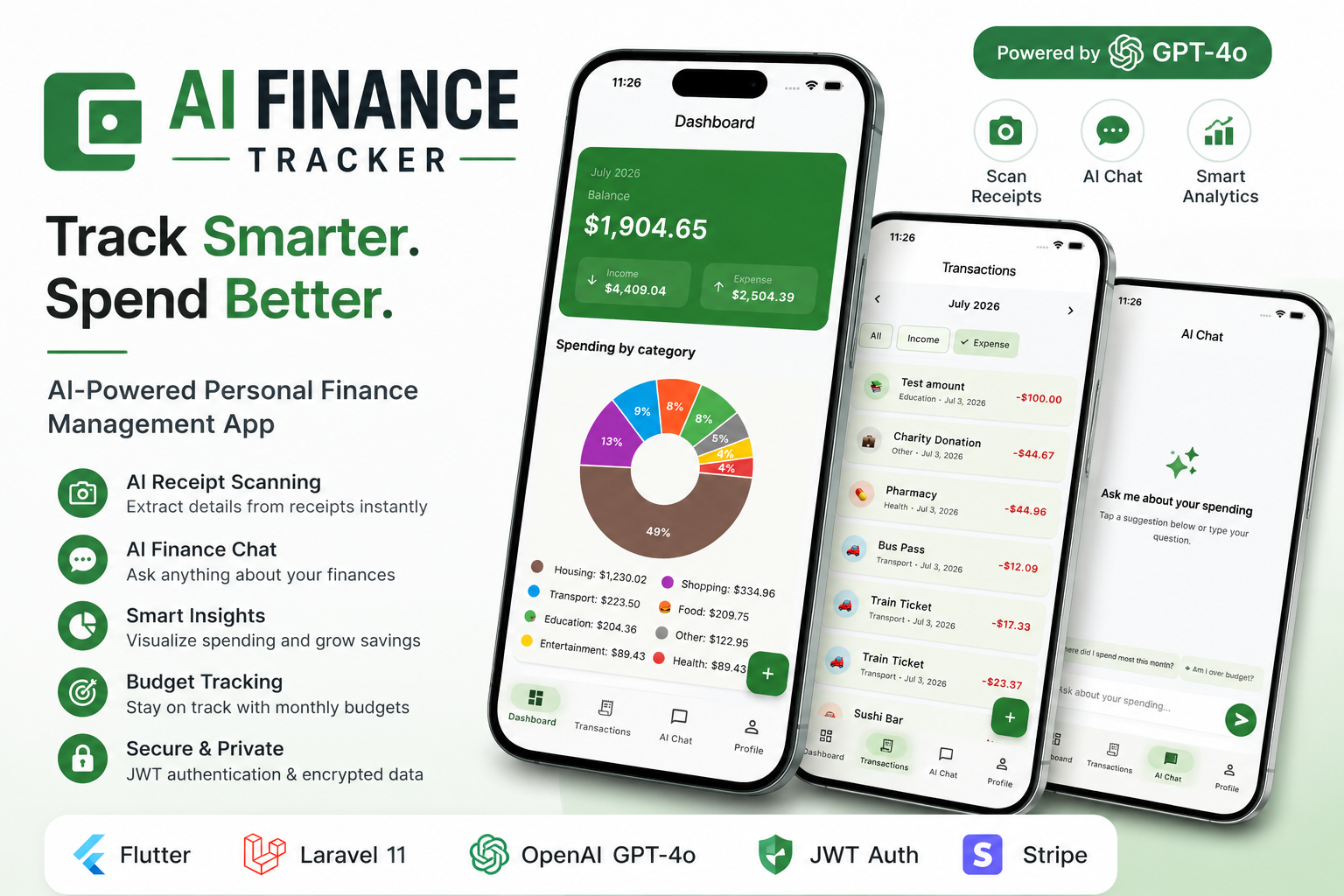
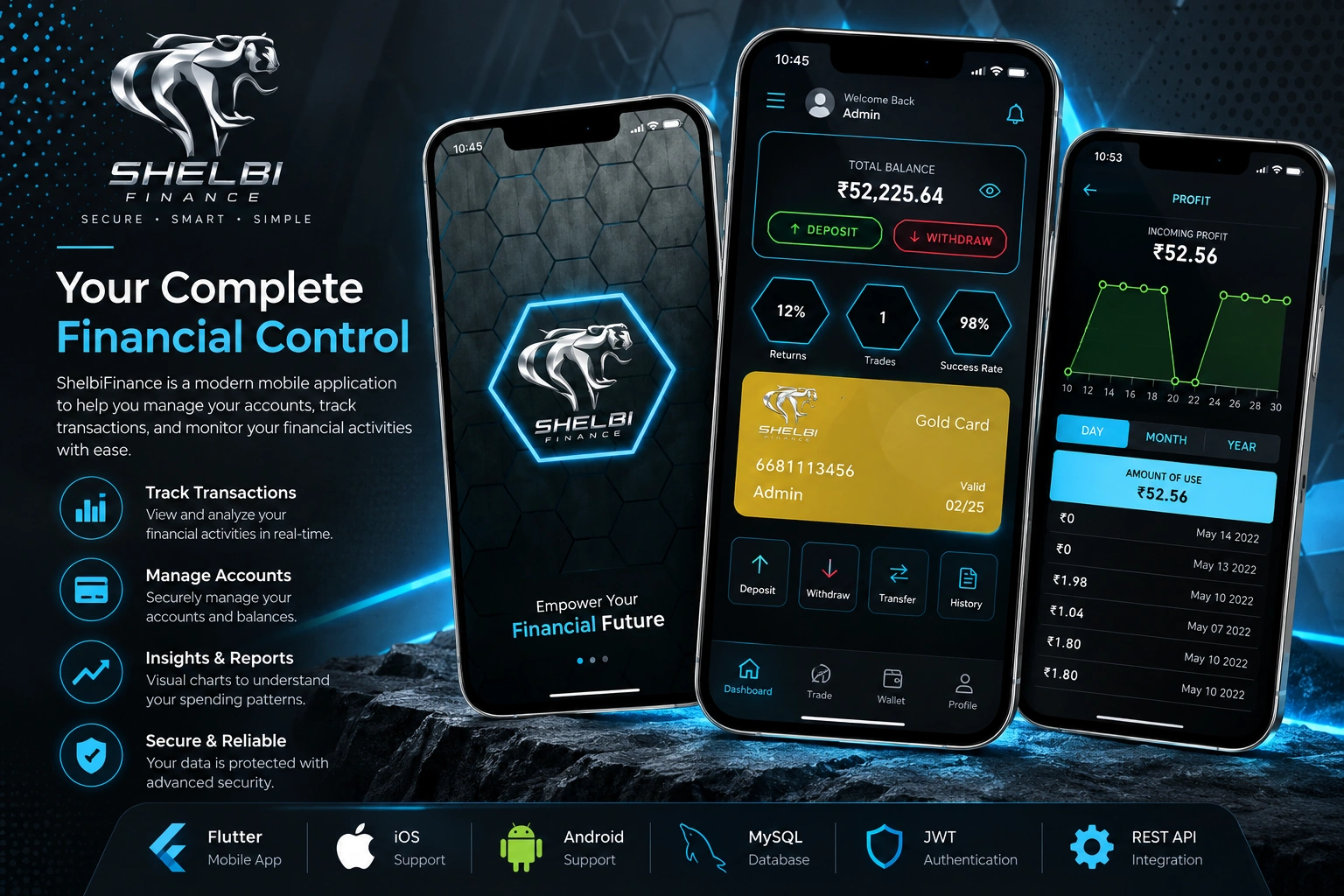
AI-Powered Personal Finance Tracker

A Flutter app on a Laravel API with OpenAI GPT-4o: AI receipt scanning, smart transaction categorization, natural-language finance chat and real-time budget tracking behind JWT authentication.

View case study : AI-Powered Personal Finance Tracker
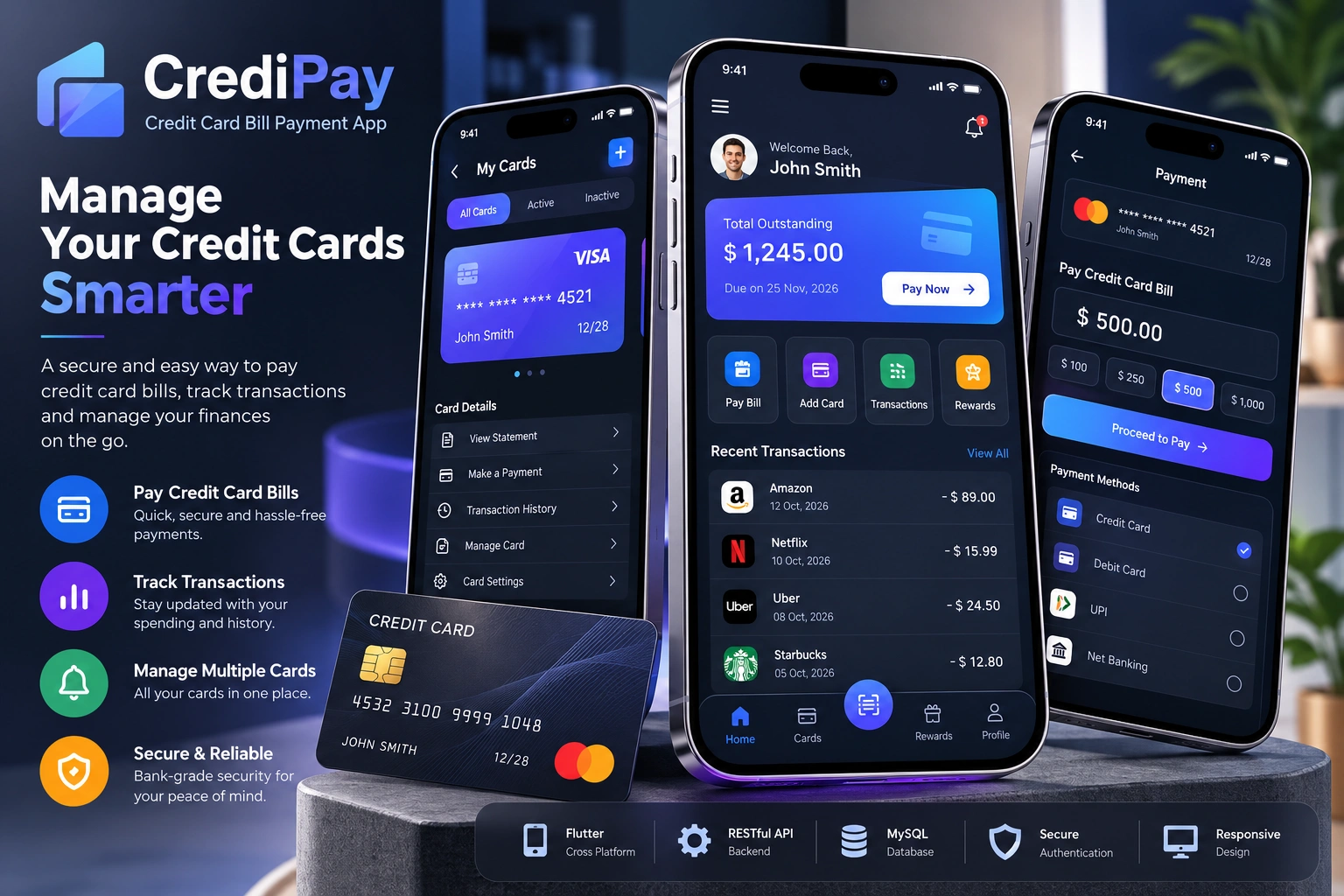
  • Patient app
  • Doctor app
  • Video consultations
  • Digital prescriptions
Digital Health · Android & iOS

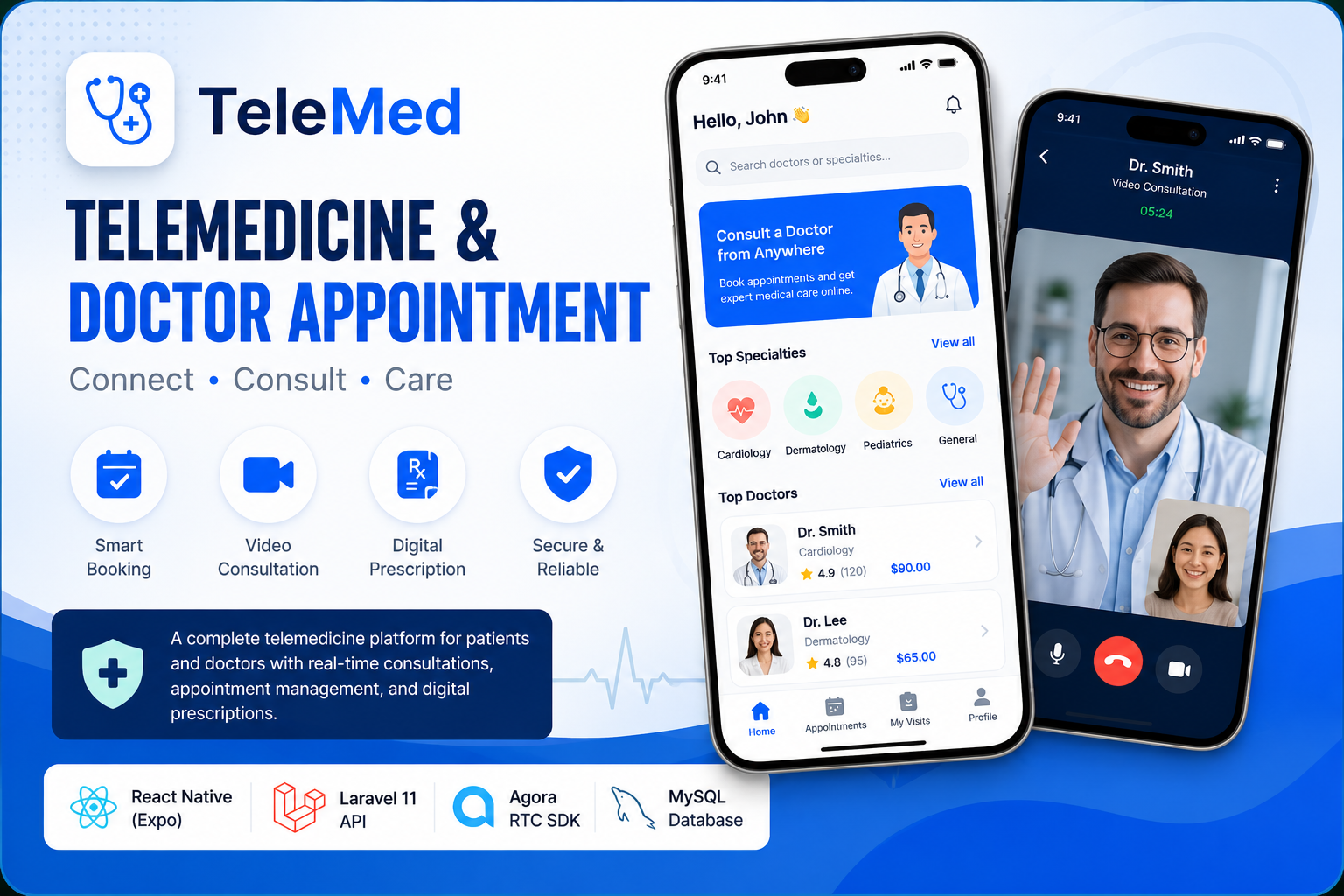
Telemedicine Appointment & Virtual Healthcare Platform

Separate patient and doctor apps in React Native: patients find verified doctors, book visits and join Agora video consultations, while doctors manage schedules and digital prescriptions.

View case study : Telemedicine Appointment & Virtual Healthcare Platform
  • Tenant workspaces
  • Kanban boards
  • JWT auth
  • Plan upgrades
B2B SaaS · Android & iOS

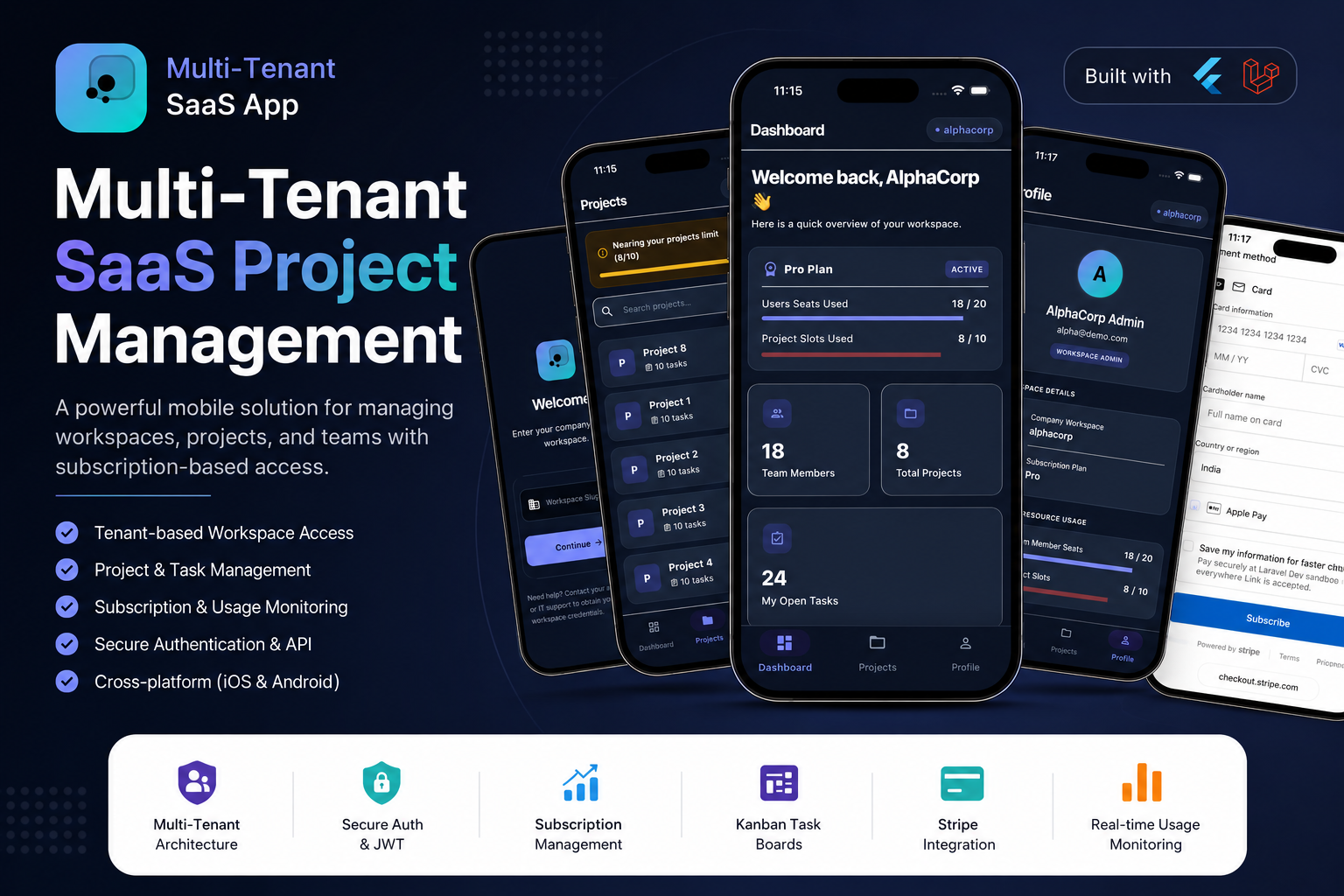
Multi-Tenant SaaS Project Management Mobile App

A Flutter app on a Laravel API where organizations manage projects and tasks in isolated workspaces, with tenant-based JWT authentication, Kanban boards and Stripe-powered plan upgrades.

View case study : Multi-Tenant SaaS Project Management Mobile App
Start Your Project

Launching Android-first in Israel, or inheriting an app that breaks in Hebrew?

Share the feature list, or Play Console access to your current app. Our reply covers a recommended architecture, a plan for Hebrew RTL and local payments, and a scoped first release.

FAQ

Android app development in Israel: frequently asked questions

Should an Israeli startup launch on Android or iOS first? +

Android accounts for roughly two-thirds of mobile usage in Israel, so Android-first is often a sound launch for a consumer product, with iOS following. If your early users are mainly iPhone owners, or you need both stores on day one, Flutter or React Native can cover both from one codebase. We make the call with you once we know your audience and feature list.

How do you handle Hebrew, Arabic and right-to-left layouts? +

Compose layouts use start and end alignment rather than left and right, so screens mirror correctly in RTL. We test bidi text such as Hebrew sentences containing English brand names, phone numbers and order codes, check icons that should and should not flip, and keep all strings in resource files so Arabic or Russian can be added later.

Can the app run on company-managed phones for couriers or field staff? +

Yes. For phones your company issues, we support Android Enterprise enrollment through your device-management provider, dedicated-device (kiosk) mode where staff should only use your app, and managed configurations so settings change without a new build. Data cached on the device stays encrypted, and the backend logs who opened which records.

Which Israeli payment methods can an Android app support? +

Google Pay has been available in Israel since 2021 and works with cards from Israeli issuers. Card payments, tokenized recurring billing and installments usually run through your Israeli gateway's SDK or hosted page, for example Tranzila, Cardcom, Grow (formerly Meshulam) or PayPlus, and some gateways also support Bit. We confirm the options with your provider before building checkout.

Can you take over our existing Android app, including older Java code? +

Yes. We start with an audit of the codebase, Gradle setup, target API level, crash reports and Play Console warnings, and give you a written list of what to fix first. Java code keeps running while new screens are written in Kotlin and Compose, so the app keeps shipping updates during the move, and RTL issues common in older XML layouts are fixed screen by screen.

Case Studies

Related Projects