Ecommerce Development Israel

Hebrew-first ecommerce development in Israel: RTL stores with installments, local gateways and ERP sync.

Israeli shoppers typically browse in Hebrew, pay by card in installments (tashlumim) or with Bit or Apple Pay, and often pick up from a parcel locker. We design the store right to left and wire every confirmed order into Priority, Hashavshevet or your ERP.

Hebrew & English Stores

RTL storefronts on WooCommerce, Shopify or Laravel, with an English or Arabic version where you need one.

B2B Ordering

Trade accounts, private catalogs, quotes and reorders for Israeli importers and wholesalers.

Marketplaces

Multi-vendor platforms with Hebrew seller dashboards, commissions and payouts.

Israeli Integrations

Tranzila, Cardcom, Grow or Hyp payments, Israel Post and HFD shipping, Priority or iCount sync.

About The Service

Hebrew text, tashlumim and opt-in rules shape an Israeli store before its theme does.

Layouts, forms and emails must work right to left while SKUs and English brand names sit in the same lines. Checkout usually offers installments through a local gateway, distance sales carry a cancellation right under the Consumer Protection Law, and marketing email or SMS needs a separate opt-in under section 30A of the Communications Law.

SofttechOver maps each of these to a screen, a checkbox or an email in the first design round.

Catalog

Products, variants and attributes with Hebrew and English names, plus filters and search that handle Hebrew text, SKUs and mixed-direction input.

Checkout

Isracard, Max and Cal cards through a local gateway, installment options, Apple Pay, Google Pay and Bit where the gateway supports it.

Operations

Orders, stock and returns flowing to Israel Post, HFD or locker networks and into Priority, Hashavshevet or iCount without re-keying.

Who It's For

For Israeli retailers, importers and marketplace founders selling in Hebrew.

Start here when the store itself is what you need built. For a booking system, client portal or internal tool without a cart, see custom web development; if your store works but looks dated or handles Hebrew poorly, web redesigning is the shorter route.

Israeli D2C and Retail Brands

Launching a first Hebrew store, or leaving a template that breaks in RTL, cannot offer installments or does not fit your promotions.

Importers & Wholesalers

Replacing phone, WhatsApp and spreadsheet orders with trade accounts, private catalogs, quote requests and repeat ordering.

Marketplace Founders

Building a multi-vendor platform where sellers list in Hebrew, buyers pay with local methods and the platform manages payouts.

Growing Retailers

Outgrowing Wix or a stack of WooCommerce plugins and needing Priority sync, multi-warehouse stock or delivery rules per courier.

Our Services

Hebrew store builds, local integrations and moves off Wix.

New Hebrew store builds, moves off Wix or an older platform, custom features on an existing WooCommerce or Shopify store, and ongoing development once you are live.

Hebrew RTL Storefronts

Mobile-first category, product and cart pages designed right to left, with bidi text handling and an English or Arabic version if needed.

Checkout, Installments & Wallets

Tranzila, Cardcom, Grow, Hyp or PayPlus integration with installment rules, saved cards, wallets and webhook-confirmed orders.

ERP, Invoicing & Shipping Sync

Stock and orders synced with Priority, SAP Business One or Hashavshevet, invoices via your invoicing tool, and Israel Post or HFD labels.

Cancellations & Returns

Cancellation and return flows, order disclosure pages and confirmation emails built with the Consumer Protection Law's distance-sale rules in mind.

Replatforming & Migration

Moving products, customers and order history off Wix, Magento or an older store, with Hebrew and English URLs mapped before cutover.

Accessibility, Speed & SEO

Stores built to IS 5568 / WCAG 2.x AA with an accessibility statement page, Core Web Vitals fixes and structured product data.

Platforms

WooCommerce first? Comparing platforms for a Hebrew store.

WooCommerce leads on Israeli sites, followed by Shopify and Wix. We compare how each handles Hebrew RTL, which local gateways and invoicing tools it connects to, and who runs the store after launch. Custom builds use our Laravel development practice, and headless storefronts are typically built with Next.js.

WooCommerce Development

Widely used by Israeli stores; suits WordPress content sites and teams that want control of hosting, plugins and Hebrew theme details.

Shopify Development

Hosted infrastructure and a fast launch; we confirm early that your gateway, installment and invoicing needs fit Shopify's checkout and apps.

Custom Laravel Ecommerce

For marketplaces, importer trade-account rules and ERP-driven stock, where order logic follows your Priority data rather than a plugin's defaults.

Headless Commerce

A separate frontend over a commerce API, useful when a Hebrew store, an English export store and an app share one backend.

Development Process

How a Hebrew store goes from catalog map to launch.

Each stage ends with something you can review during your working day: a catalog map, RTL designs, a staging store and a tested launch checklist.

Discovery & Catalog Mapping

We map products, variants, customer types, installment rules, delivery options and every system the store must connect to, from gateway to ERP.

RTL UX & Store Design

Wireframes and designs for category, product, cart and checkout pages, drawn right to left, reviewed on mobile first and checked against IS 5568.

Development on Staging

Theme or custom build on a staging store loaded with your real Hebrew catalog, so you review actual product and checkout pages.

Sandbox-First Integrations

Gateway, courier and ERP or invoicing connections built against test terminals and sandbox accounts first, then switched to live credentials.

Testing & Launch

Test orders through each card, installment, wallet and delivery option, Hebrew addresses and 7-digit postal codes, redirects, opt-ins and analytics.

Post-Launch Development

Monitoring, fixes and new features in planned iterations, with releases kept clear of the autumn holiday period and your peak sale dates.

Work Showcase

Store and marketplace builds an Israeli project can start from.

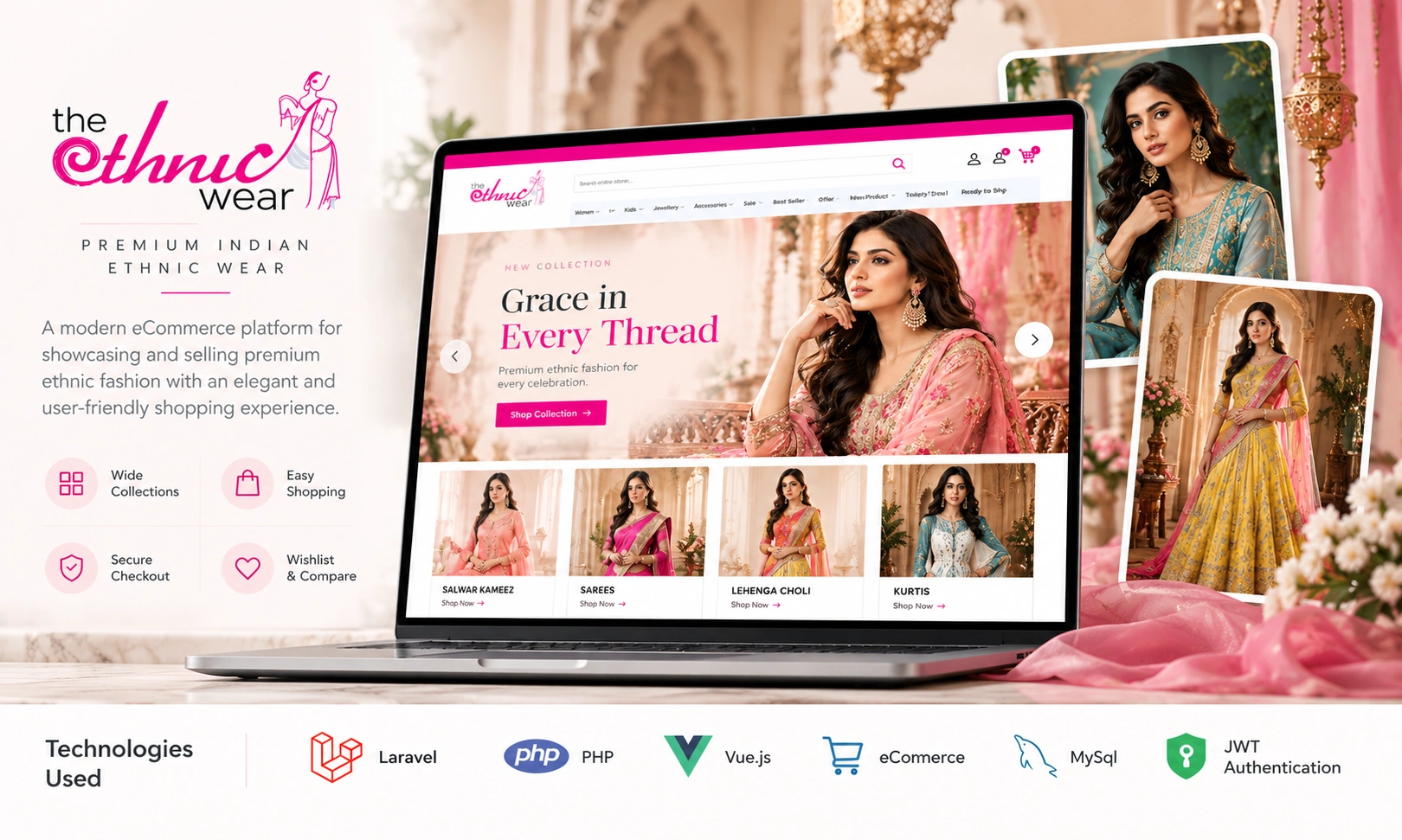
A premium D2C jewelry store and a multi-vendor marketplace. Neither was built for Israel; both show the product, checkout and seller logic we would rebuild right to left.

  • Ring collections
  • Product detail pages
  • Secure checkout
  • Responsive storefront
Jewelry · D2C Store

Moissanite Vogue

A premium store for moissanite engagement rings, wedding bands and custom-designed collections, with detailed product pages and secure purchasing. The pattern suits Israeli jewelers selling high-value pieces in installments.

View case study : Moissanite Vogue
  • Seller listings
  • Real-time messaging
  • Order tracking
  • Payment processing
Marketplace · Multi-vendor Web

Chat Marketplace

A multi-vendor marketplace where buyers and sellers message in real time, manage listings, pay and track orders in one web app. An Israeli version would add Hebrew RTL seller tools and local payments.

View case study : Chat Marketplace
Start Your Israel Project

Opening a Hebrew store or moving off Wix or an ageing WooCommerce setup?

Tell us what you sell, which gateway and couriers you use today and whether you run Priority, Hashavshevet or another ERP. We will reply with a recommended platform, the integrations involved and a delivery plan your team can review.

FAQ

What Israeli store owners ask us before a build.

Should an Israeli store run on WooCommerce, Shopify or a custom platform? +

WooCommerce is the most common choice on Israeli sites and suits brands already on WordPress that want control of hosting and Hebrew theme details. Shopify suits single-brand stores that want hosted infrastructure, once we confirm your gateway and installment needs fit its checkout. For marketplaces or complex importer rules, a custom Laravel build avoids stacking plugins, and we explain the trade-off before any build starts.

Which Israeli payment gateways and installment options can you integrate? +

We integrate local gateways such as Tranzila, Cardcom, Grow (formerly Meshulam), Hyp and PayPlus through their APIs or platform plugins, including installment (tashlumim) rules, saved cards, and Bit, Apple Pay or Google Pay where the gateway supports them. An order is confirmed only when the gateway confirms payment, and your merchant account is opened directly with the provider.

Can you build a Hebrew RTL store with an English version? +

Yes. We build mirrored right-to-left layouts, handle mixed Hebrew and English text such as SKUs, emails and phone numbers, and set up language versions with their own URLs and hreflang so each can rank. Arabic can be added the same way, since it is also written right to left.

How do you handle accessibility, cancellations and marketing consent? +

We build to IS 5568 / WCAG 2.x AA and can add the accessibility statement page Israeli sites commonly publish. Checkout includes the order disclosure and cancellation flow expected for distance sales under the Consumer Protection Law, and email, SMS and WhatsApp marketing opt-ins are separate checkboxes rather than part of accepting the terms. We build the controls; your legal advisers confirm the final wording.

Can the store connect to Priority, Hashavshevet or our invoicing software? +

Yes, where the system offers an API or a reliable export. We sync products, stock and orders through scheduled jobs or webhooks, with logging and retries so a failed sync is reported rather than missed. For B2B sales, tax invoices are issued through your invoicing provider, so allocation-number (mispar haktzaa) workflows with the Israel Tax Authority stay in the tool built for them.

Can you move our store off Wix, Magento or an old WooCommerce setup? +

Yes. We export products, variants, customers and, where the platform allows it, order history, clean up the Hebrew and English data, and map every product and category URL to its new address with 301 redirects so rankings carry over. Payment, shipping and ERP connections are rebuilt and tested against sandbox accounts, and cutover is scheduled away from your peak sale dates.

How do your working hours overlap with an Israeli team? +

We work from India, 3.5 hours ahead of Israel in winter and 2.5 in summer, so an Israeli 09:00 to 17:00 day runs 12:30 to 20:30 India time in winter and 11:30 to 19:30 in summer, mostly inside our day. Monday to Thursday are shared working days; for Sunday requests and short Fridays we agree response times up front, and launches avoid the autumn holidays.


Case Studies

Related Projects