iOS App Development Israel

Hebrew-ready iOS app development in Israel for SaaS, cyber and fintech products, built natively in Swift

SofttechOver builds native iOS apps for Israeli SaaS, fintech and health products that depend on Apple frameworks such as Face ID, Apple Pay and HealthKit. Screens are designed right-to-left for Hebrew from the first prototype, wired to your backend and taken through TestFlight to App Store review, with most of your working day overlapping ours.

Swift · SwiftUI · Hebrew RTL

Native iPhone features, laid out for Hebrew readers.

Mirrored RTL layouts in SwiftUI

Apple Pay through your Israeli gateway

Face ID with one-time-code fallback

Who We Work With

Israeli teams that bring us native iOS work

Startups and scale-ups in Tel Aviv, Herzliya and Haifa that need an iPhone client for their SaaS, cyber or fintech platform, R&D centers short on in-house iOS capacity, and SMEs replacing an older Objective-C or UIKit app.

We work with Israeli teams remotely, with one documented, stable Swift team from discovery to App Store release.

Discovery in Hebrew and English

Prototypes reviewed in Hebrew and English, with VoiceOver and IS 5568 accessibility in mind and consent screens planned around Amendment 13.

Documented Swift Engineering

SwiftUI, async/await, Keychain storage and XCTest, with architecture notes and code reviews kept current so your in-house team or a new developer can pick up any module.

Releases Around Your Calendar

TestFlight builds at each milestone, live reviews Monday to Thursday, and App Store submissions planned away from the autumn holiday period.

Native vs Cross-Platform

When native iOS development makes sense for an Israeli product

Most consumer launches in Israel need both platforms, so compare our Flutter, React Native and Android services first. Native Swift earns its place in the cases below.

Connected Devices & Health

Deep-tech and life-sciences teams in Haifa and Jerusalem often pair an app with hardware; Core Bluetooth, HealthKit and background modes work best written directly in Swift.

An iPhone-Heavy Audience

B2B tools, executive dashboards or a launch market beyond Israel where your users carry iPhones can justify iOS first, with Android following later.

Security-Sensitive Clients

Cyber and fintech apps benefit from direct access to Keychain, Secure Enclave keys, certificate pinning and App Attest without third-party plugins.

An Existing Native App

If your app is already in Swift or Objective-C, extending it natively avoids a rewrite and keeps your Hebrew App Store listing, ratings and release history.

iOS Development Services

What our iOS app development services cover for Israeli businesses

Native iPhone & iPad Apps

New Swift and SwiftUI apps with Hebrew RTL and English LTR layouts, mixed-direction text, Dark Mode, Dynamic Type and VoiceOver support.

Payments & Local Integrations

Apple Pay and Bit through your Israeli gateway where supported, installment (tashlumim) checkout, and order or customer data pulled from Priority ERP.

Widgets & Apple Watch Extensions

Home Screen widgets, Live Activities for delivery or appointment status and watchOS companion apps that share logic with the iPhone app.

Backend & Israeli Integrations

REST or GraphQL APIs with offline caching and access logging, Teudat Zehut check-digit validation, opt-in WhatsApp alerts, or a new Laravel API built alongside.

Objective-C & UIKit Modernization

Screen-by-screen migration of older apps to Swift and SwiftUI, fixing legacy RTL issues while the live app keeps shipping updates.

App Store Release & Maintenance

App Store Connect setup, signing, privacy details, Hebrew and English store listings, review submissions and yearly testing on new iOS versions.

Work Showcase

B2B SaaS and health apps from our portfolio that run on iPhone

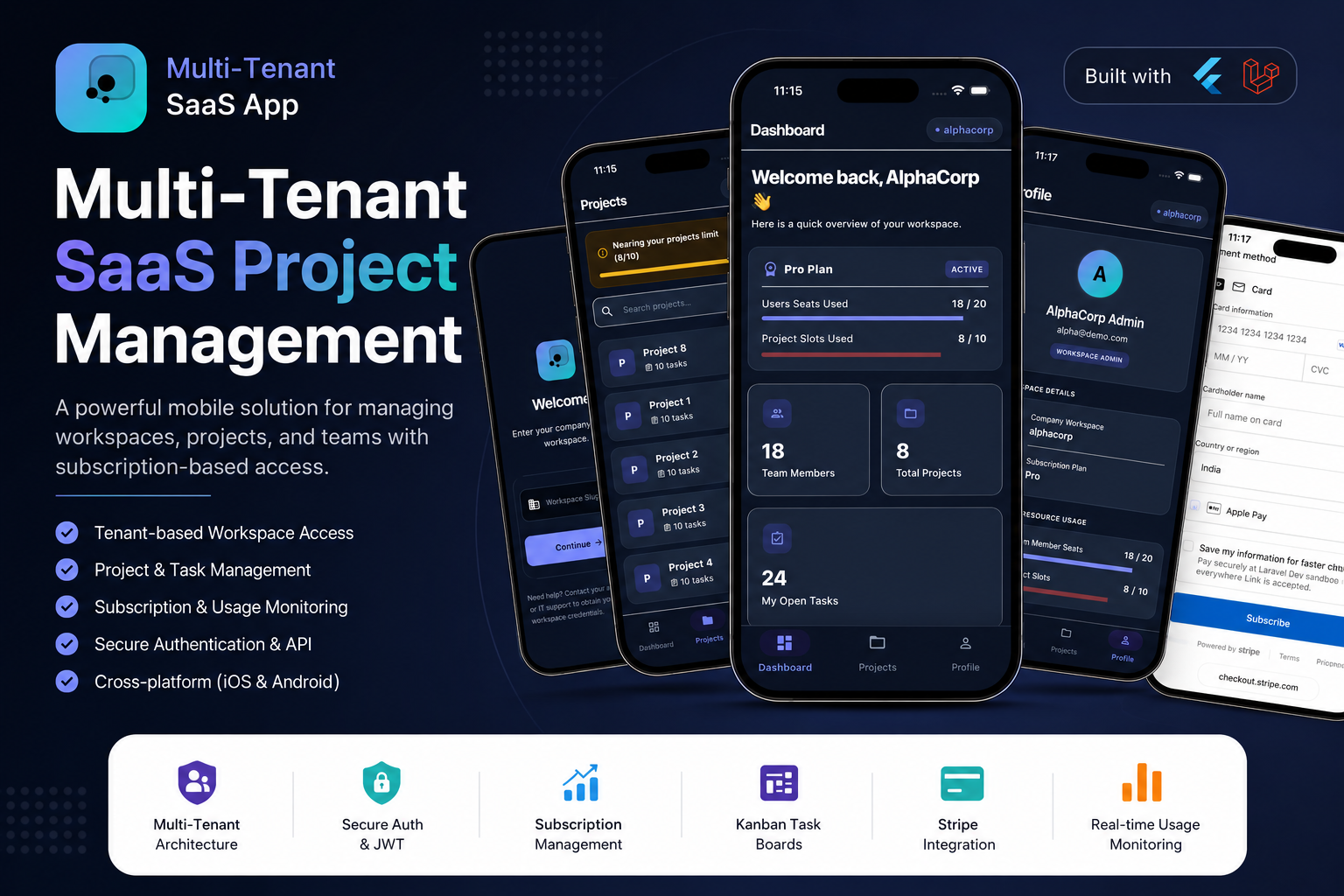
Both run on iPhone from a cross-platform codebase and deal with what Israeli B2B SaaS and digital-health products face: tenant isolation, secure sign-in and sensitive data. Native Swift work uses the same TestFlight release path.

  • Isolated workspaces
  • Kanban boards
  • JWT auth
  • Plan upgrades
B2B SaaS · Mobile App

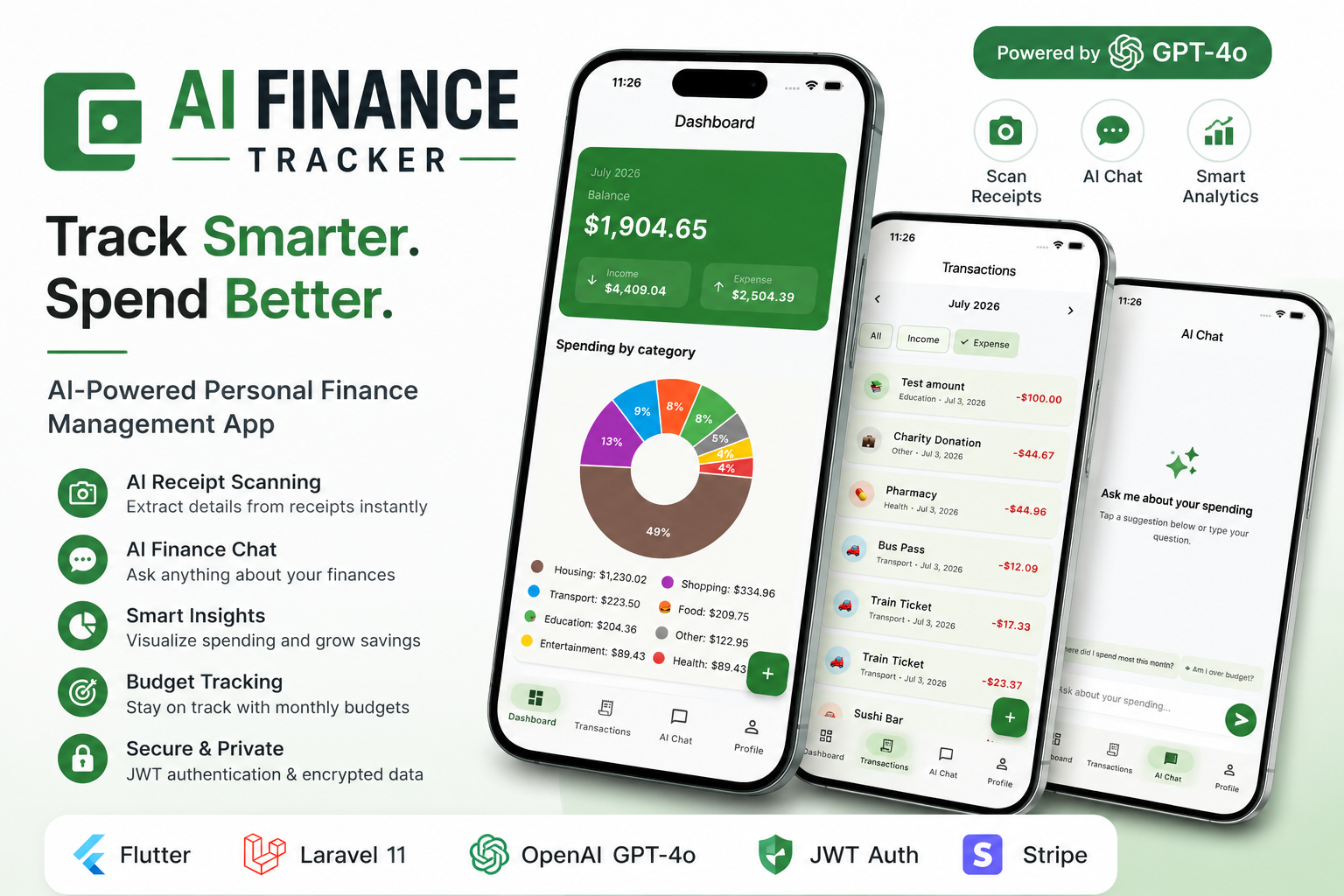
Multi-Tenant SaaS Project Management Mobile App

A Flutter app on a Laravel API where organizations manage projects, Kanban boards and teams in isolated workspaces, with JWT authentication and Stripe plan upgrades. The pattern suits a mobile client for an Israeli B2B SaaS platform.

View case study : Multi-Tenant SaaS Project Management Mobile App
  • Appointment booking
  • Video consults
  • Digital prescriptions
Healthcare · Patient & Doctor

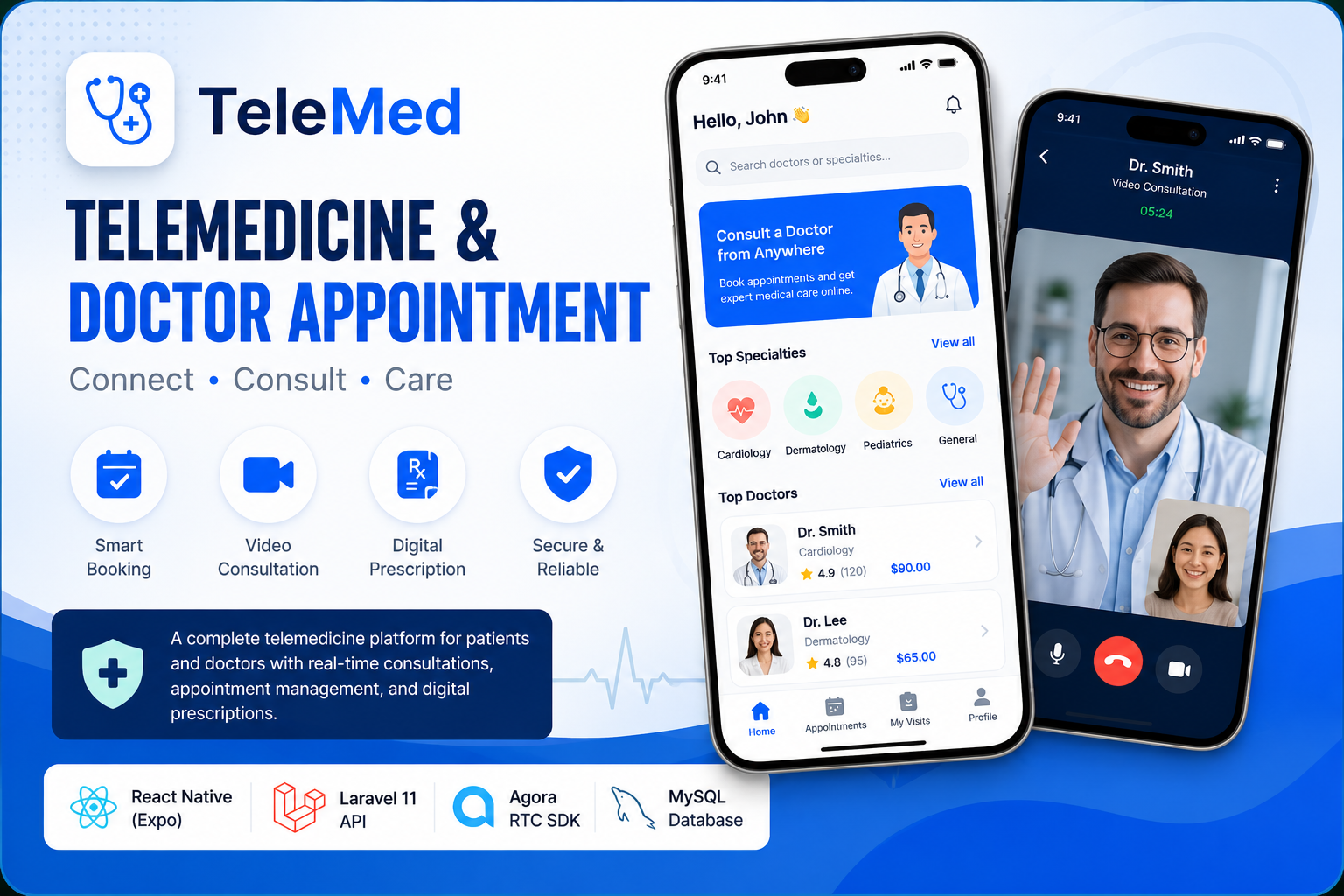
Telemedicine Appointment & Virtual Healthcare Platform

Separate React Native apps for patients and doctors on a secure Laravel REST API, covering verified doctor discovery, scheduling, Agora video consultations and digital prescriptions.

View case study : Telemedicine Appointment & Virtual Healthcare Platform
Start Your iOS Project in Israel

Need a Hebrew-ready iPhone client for your platform, or extra iOS capacity for your R&D team?

Send your feature list, a link to your current app or Apple's rejection notes. We will check Hebrew RTL and payment needs, tell you honestly whether native Swift or a cross-platform build better fits an Android-heavy market, and outline a documented release plan.

FAQ

iOS app development FAQs for Israeli businesses

Android leads in Israel. Should we still build natively for iPhone? +

Android accounts for about two-thirds of mobile usage in Israel, so a consumer app usually needs both platforms at launch, which often points to Flutter or React Native. Native Swift is the better choice when the product relies on Apple frameworks, targets an iPhone-heavy B2B or international audience, or already exists in Swift. We recommend one after reviewing your feature list and users.

How do you handle Hebrew, right-to-left layouts and mixed text? +

We build with leading and trailing constraints so SwiftUI mirrors layouts automatically, flip directional icons, and test bidirectional strings such as Hebrew sentences containing English product names, numbers and phone numbers. Dates default to DD/MM/YYYY, and Arabic or a Hebrew-calendar view can be added where your users need them.

Can the app take payments the way Israeli customers expect? +

Yes. Apple Pay has been available in Israel since 2021, and we connect it through your gateway, such as Tranzila, Cardcom, Grow or Hyp, with card tokenization, installments and Bit where your gateway supports them. Digital goods sold inside the app follow Apple's StoreKit in-app purchase rules instead.

How do you account for Israel's Privacy Protection Law and Amendment 13? +

We build with it in mind: clear, specific consent screens instead of bundled consent, separate opt-ins for marketing messages, role-based access, access logging and documented incident procedures designed around the Data Security Regulations. If data is hosted or processed abroad, we document the setup so your counsel can assess it under the cross-border transfer regulations. Legal sign-off remains with your advisers.

Do you build apps for regulated health or finance clients in Israel? +

We can build the iOS app and its API to support your obligations, for example FHIR-based data exchange for health products, or the cloud controls a bank needs under Bank of Israel Proper Conduct of Banking Business Directive 362. Rules such as Ministry of Health medical-device requirements apply to your organization, so we work from the controls your compliance team specifies.

How does collaboration work with our Sunday-to-Thursday week? +

Israel is 2.5 to 3.5 hours behind India depending on the season, so most of your working day overlaps ours. Monday to Thursday is fully shared, Sunday messages are picked up first thing Monday unless we agree cover for a release, and we plan App Store submissions around Rosh Hashanah, Sukkot and Passover so releases do not land while your team is away.

Who owns the source code and the App Store listing? +

You do. We recommend publishing under your own Apple Developer account, and the full Xcode project, repository, Hebrew and English store assets and documentation are handed over, so a future in-house team can continue without gaps.

Case Studies

Related Projects