iOS App Development KSA

iOS app development in Saudi Arabia: native Swift apps for Arabic-first iPhone and iPad users

SofttechOver builds native iPhone and iPad apps for Saudi startups, retailers and service companies whose customers expect Arabic first, Apple Pay at checkout and fast sign-in. We work in Swift and SwiftUI with full RTL layouts, connect the app to your backend and payment gateway, and prepare Arabic and English App Store listings.

Swift · SwiftUI · RTL

Native iPhone apps that read right to left from day one.

Arabic RTL screens & Hijri dates

Apple Pay and mada card checkout

Arabic App Store listing & TestFlight

About The Service

Who native iOS development in Saudi Arabia is for

Fintech and payments startups, retailers moving beyond a Salla or Zid storefront into their own app, booking and service businesses, and regional teams that need an iPhone app beside an existing web platform.

Every app is built in Xcode with Swift and SwiftUI by one accountable team, from Arabic-first discovery to App Store release, with live overlap across most of the Riyadh working day.

Arabic-First UX Discovery

Flows and clickable prototypes in Arabic and English, mirrored for RTL and checked with Dynamic Type and VoiceOver in both languages before coding starts.

Swift Engineering

SwiftUI views, async/await networking, Keychain token storage and XCTest coverage, with every Arabic and English string kept in Xcode String Catalogs.

Release Discipline

TestFlight builds at each milestone for your team to test in Arabic and English, iPad layout checks, and Arabic App Store screenshots and metadata ready before review.

Native vs Cross-Platform in KSA

Native Swift or cross-platform: when iOS-only development makes sense in Saudi Arabia

Most Saudi consumer products end up on both platforms, because Android has more users while iPhone is popular with higher-spending customers. Native Swift fits when the iPhone experience is the product; for both platforms from one codebase compare Flutter and React Native, or see Android app development.

Apple Pay-Led Checkout

Apple Pay has been live in the Kingdom since 2019 and leads online wallets in one study; PassKit checkout, Wallet passes and Face ID confirmation are written directly in Swift.

Paying Customers on iPhone

If your analytics show most paying customers on iPhone, a native app adopts new iOS features, widgets and Live Activities as soon as Apple releases them.

Fintech-Grade Onboarding

Fintech was the Kingdom's top venture sector in 2025. Document capture, Secure Enclave keys, App Attest and identity-provider SDKs run without a bridge layer in Swift.

An Existing Native App

If your app is already in Swift or Objective-C, extending it natively keeps your ratings, release history and Arabic App Store listing instead of starting over.

iOS Development Services KSA

What our iOS app development services in Saudi Arabia cover

Arabic & English iPhone and iPad Apps

SwiftUI apps with mirrored RTL layouts, Arabic typography, Hijri date display, Arabic-Indic or Western digits, Dark Mode and VoiceOver.

Local Payments & Identity

Apple Pay and mada card checkout via gateways such as Moyasar, Tap or HyperPay, Tabby or Tamara installments, and Nafath verification through an approved provider.

Live Activities, Widgets & Alerts

Live Activities for deliveries and bookings, Home Screen widgets, APNs push and SMS one-time codes with iOS autofill, plus WhatsApp alerts from your backend.

Backend & API Integration

REST or GraphQL APIs with secure token storage and offline caching, linked to Salla, Zid, Odoo or your ERP, or a new Laravel API that handles ZATCA Fatoora e-invoicing.

Objective-C & UIKit Modernization

Screen-by-screen migration of older apps to Swift and SwiftUI, including fixing hard-coded left-to-right layouts so Arabic screens mirror correctly.

App Store Release & Maintenance

App Store Connect setup, Arabic and English metadata and screenshots, privacy details, review submissions and yearly testing against new iOS versions.

Work Showcase

iPhone apps we have built, and how they apply to Saudi products

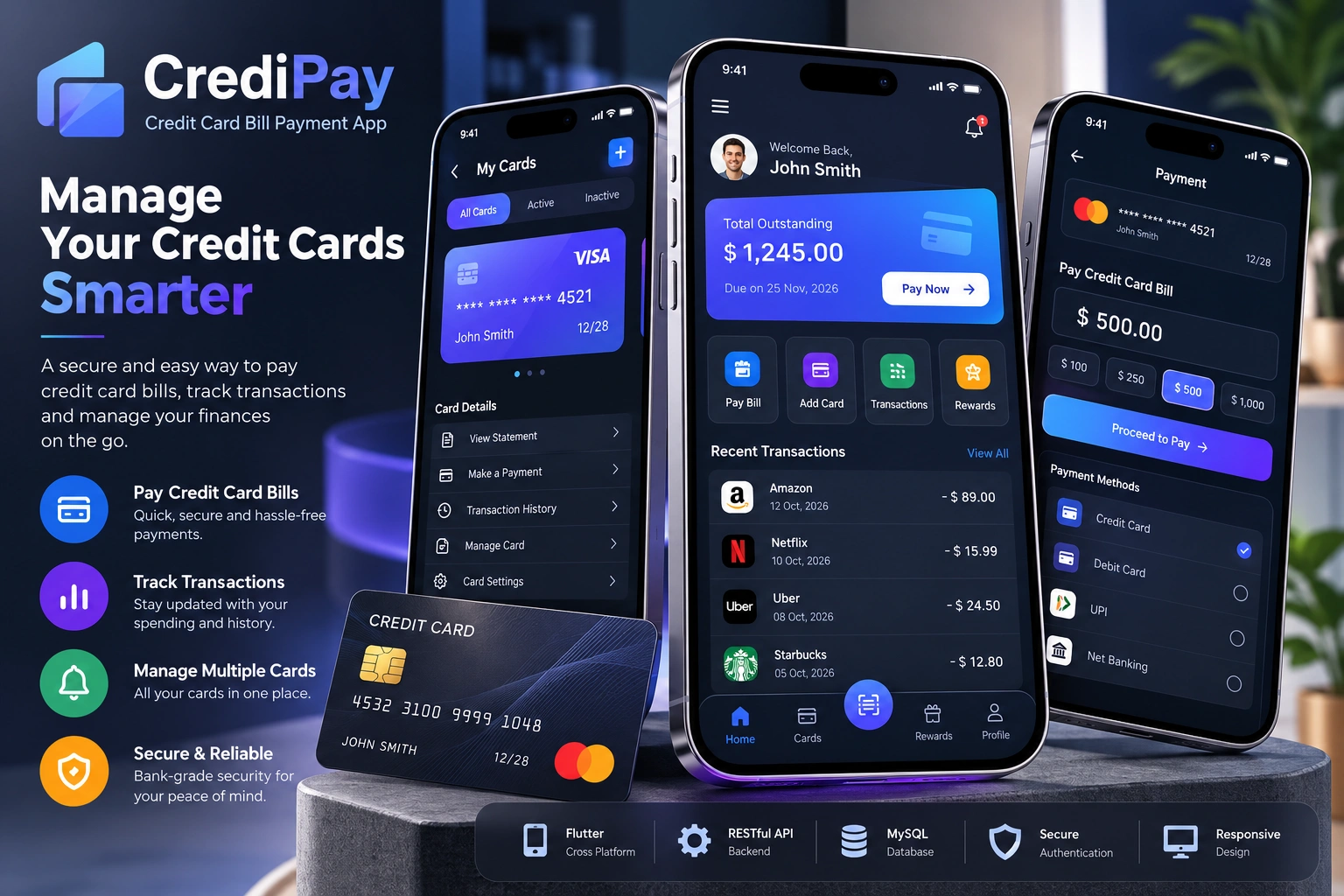
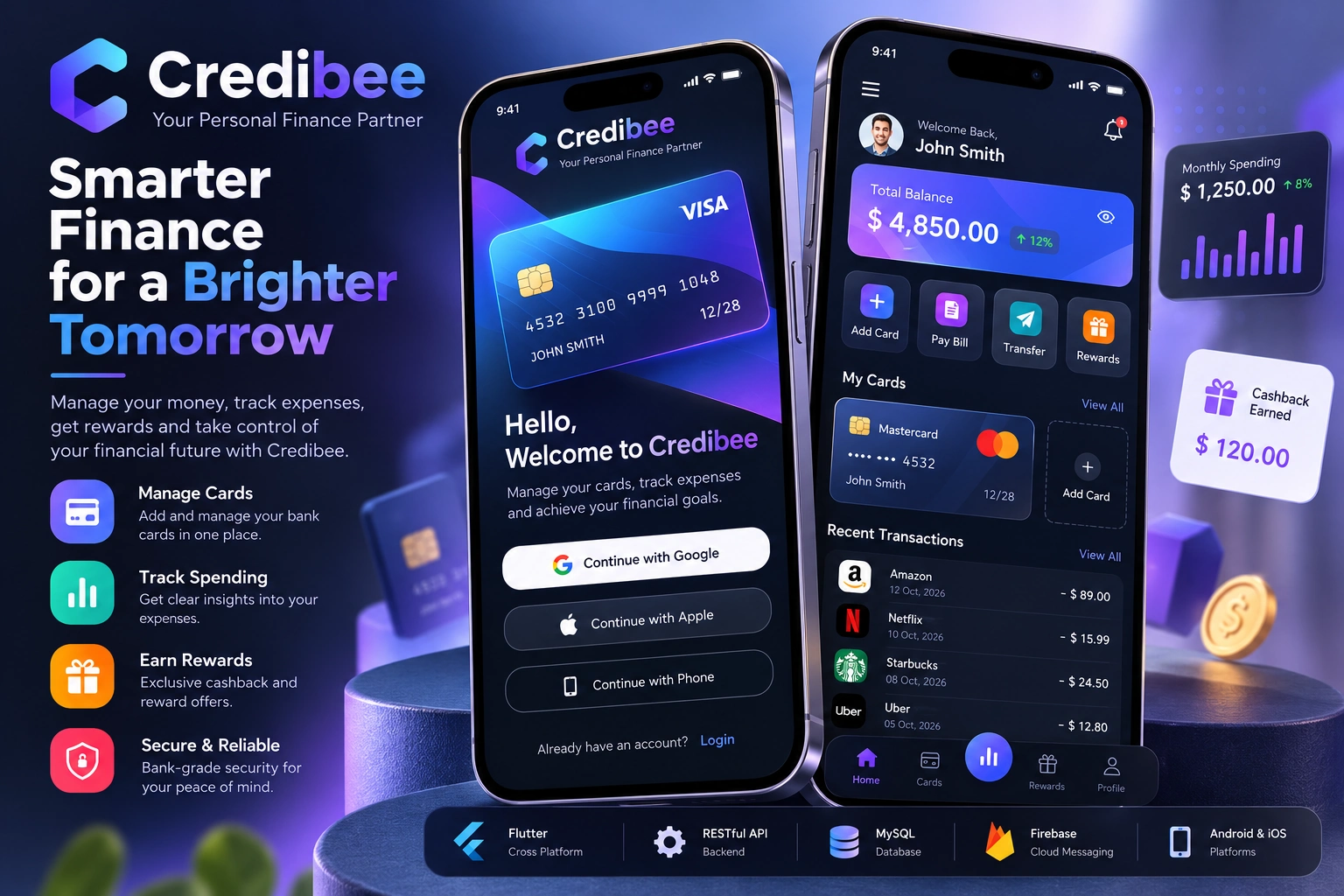
Both are cross-platform builds already running on iPhone, covering delivery and personal-finance flows that Saudi products commonly need. A native Swift project follows the same TestFlight-to-App Store route, with Arabic RTL from the start.

  • Online ordering
  • GPS tracking
  • Rider app
  • Push alerts
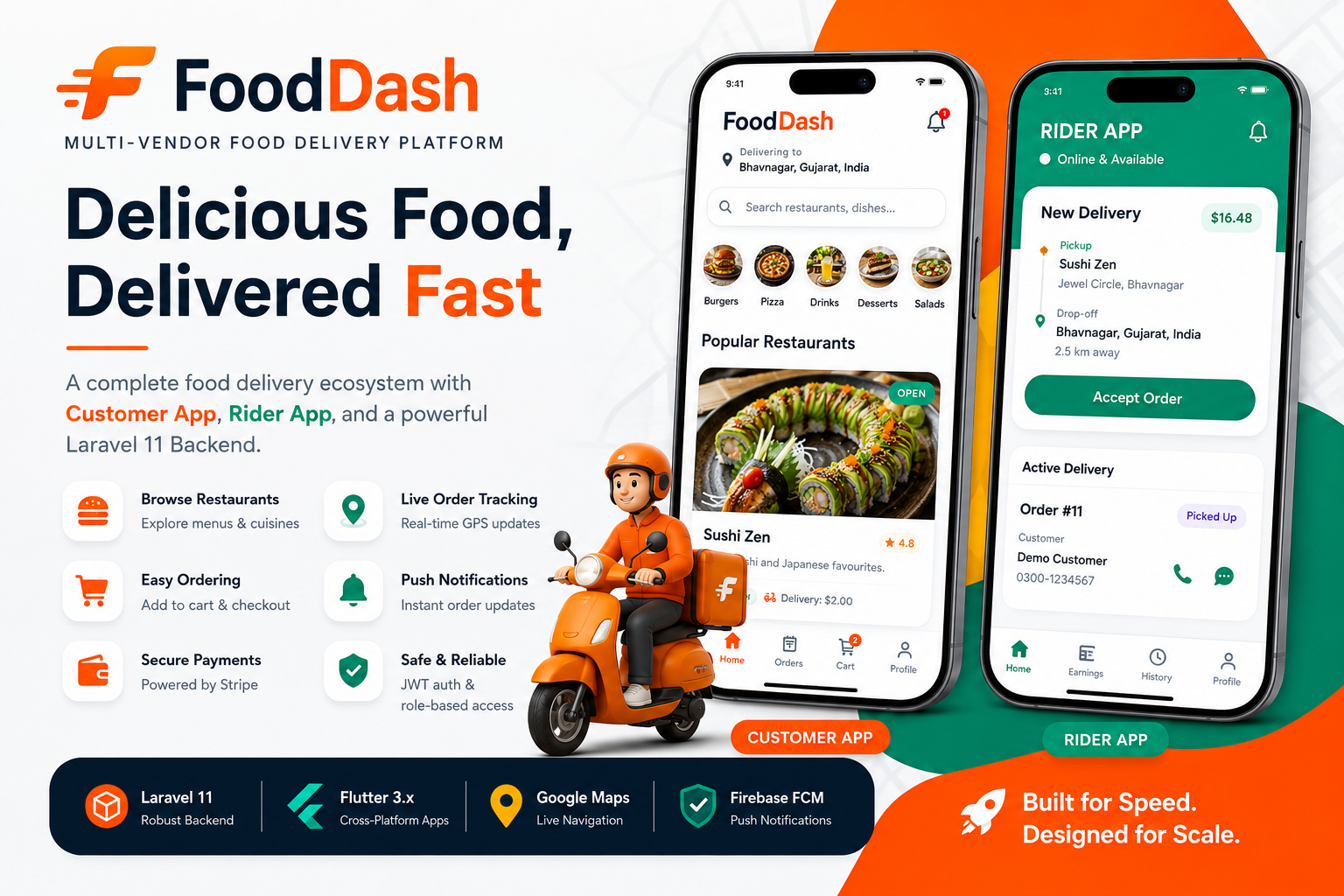
Food Delivery · iOS & Android

FoodDash Customer & Rider Apps

Flutter customer and rider apps with online ordering, GPS delivery tracking, Google Maps navigation and push notifications on a Laravel REST API, a pattern that fits Saudi delivery businesses.

View case study : FoodDash Customer & Rider Apps
  • Secure account access
  • Finance dashboards
  • Transaction monitoring
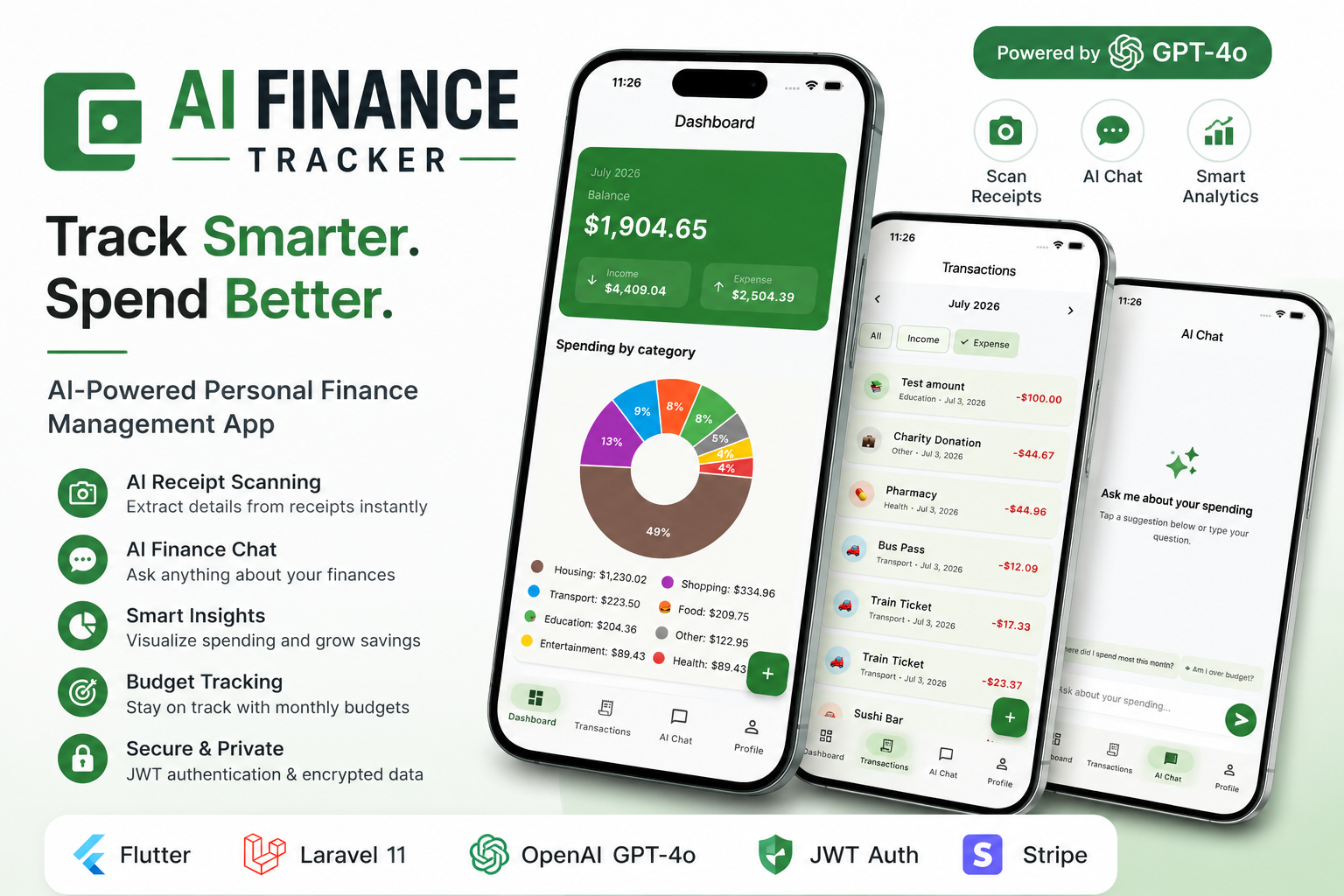
Personal Finance · iOS & Android

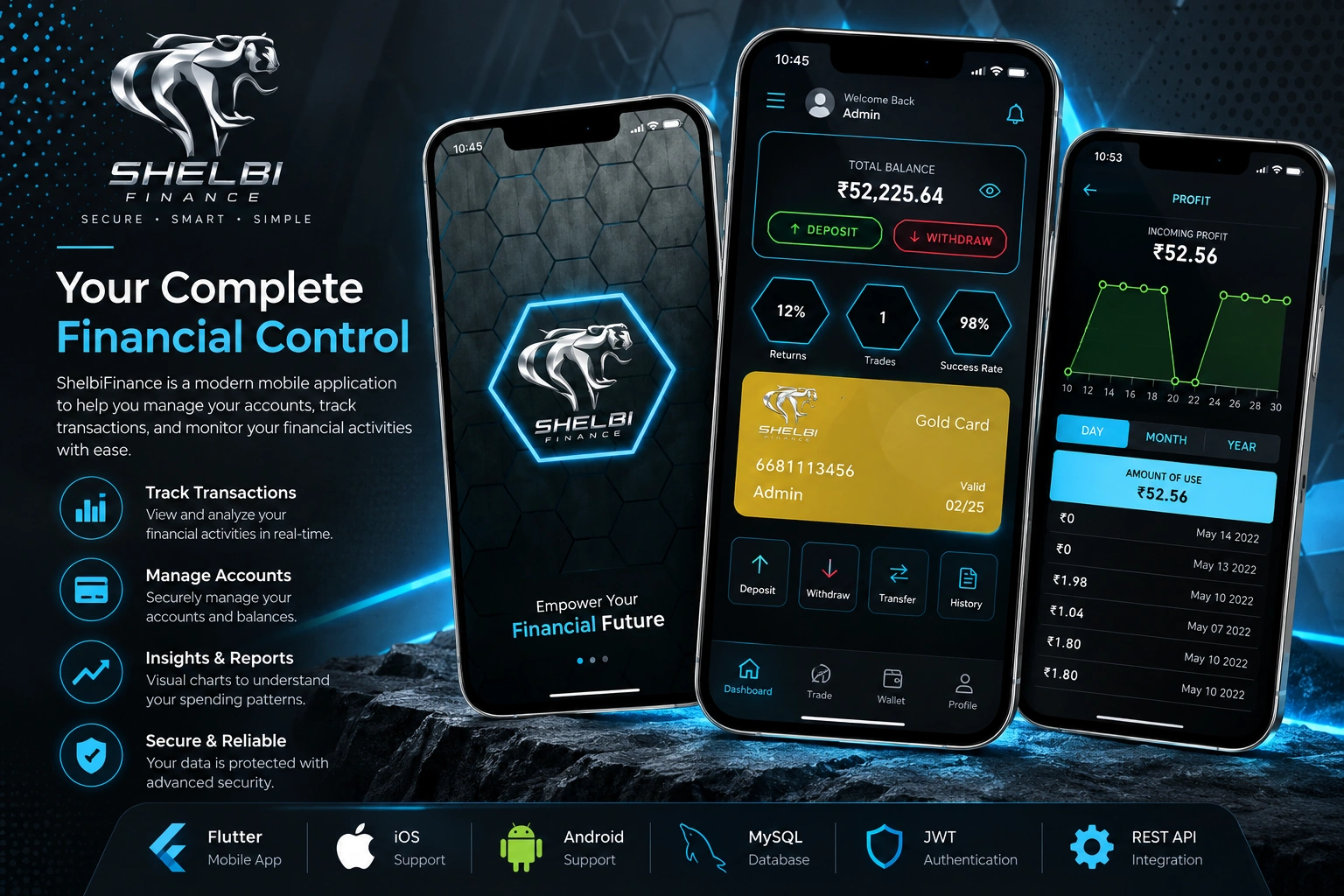
ShelbiFinance

A Flutter personal finance app for iPhone and Android with secure account access, financial dashboards and transaction monitoring, the core screens a Saudi fintech app also starts from.

View case study : ShelbiFinance
Start Your iOS Project in KSA

Planning an Arabic-first iPhone app, or improving one that already exists?

Share your idea or your current app. We will review Arabic RTL, payment and Nafath needs, advise whether native Swift or a cross-platform build suits an audience split across iPhone and Android, and plan releases around Ramadan and Eid.

FAQ

iOS app development in Saudi Arabia: FAQs

Should a Saudi business build for iPhone only, or launch on iPhone and Android together? +

Android holds most of the Saudi mobile market, so most consumer apps should launch on both, and Flutter or React Native can do that from one codebase. Native Swift makes sense when iPhone users drive your revenue, when the app depends on Apple Pay, HealthKit or widgets, or when an Android app already exists. We recommend one after reviewing your features and audience.

How do you handle Arabic and right-to-left layouts in SwiftUI? +

We use leading and trailing alignment instead of fixed left and right, so SwiftUI mirrors screens automatically in Arabic, and we flip only icons that show direction. Strings live in Xcode String Catalogs, dates can show Hijri alongside Gregorian, and digits follow the user's setting. Every screen is tested in Arabic on small and large iPhones.

Which payment methods can the app accept? +

Most Saudi apps combine Apple Pay with mada and credit cards through a local gateway such as Moyasar, Tap, HyperPay or PayTabs, and many add Tabby or Tamara for installments. Physical goods and services go through your gateway, while Apple requires In-App Purchase for digital content and subscriptions sold inside the app.

How does the app handle personal data under the Saudi PDPL? +

Privacy is designed into the screens with the PDPL in mind: clear consent prompts, explicit consent for sensitive data such as health information, minimal collection and encrypted Keychain storage. Face ID checks run on the device, so the app never receives biometric data. If your backend must stay in the Kingdom, it can run on a Saudi cloud region; cross-border transfers and the final legal position are for your advisers to confirm.

Can the app verify users through Nafath? +

Where your use case needs national identity verification, such as fintech onboarding, and your business is eligible, we integrate Nafath through an approved provider and your backend. For everyday sign-in, Sign in with Apple, a phone number with SMS one-time codes, or email are usually simpler for users.

Do you handle App Store submission and the Arabic store listing? +

Yes. We set up App Store Connect, signing and TestFlight, and prepare Arabic and English descriptions, screenshots, privacy details and review notes. If Apple rejects a build, we address the cited guideline and resubmit. We publish under your own Apple Developer account, so the source code and the listing stay yours.

Will the app work on iPad and with VoiceOver in Arabic? +

Yes, if you plan for it. SwiftUI layouts adapt to iPad size classes, and we test VoiceOver reading order and Dynamic Type in Arabic and English, since Arabic script often needs more line height at large sizes. Saudi government apps are held to WCAG 2.1 AA; for private apps we apply the same checks as good practice.

Case Studies

Related Projects