Arabic-First Android Apps KSA

Arabic-first Android app development in Saudi Arabia for riders, field staff and customer apps

Saudi Android projects tend to split two ways: Arabic-first customer apps that must feel natural in RTL, and rider, technician and sales apps used on long routes across the Kingdom. SofttechOver builds both in Kotlin and Jetpack Compose.

Rider Delivery App

Every drop recorded, even between cities with no coverage.

Route and drops cached in Room

Cash-on-delivery and photo proof queued for sync

Stops located by National Address code

About The Service

Arabic and English from the first sprint: our build process.

First we settle who uses the app, in which language, on which handsets, what must work offline, and what personal data it collects under the Saudi PDPL. That decides the architecture, minimum Android version and where the backend is hosted before screens are built.

From the early sprints, builds reach your team through a Play Console internal testing track. Riyadh office hours fall almost entirely inside our working day in India, so reviews happen the same day.

Kotlin & Jetpack Compose

New apps use Kotlin, Compose UI, MVVM, coroutines and Hilt, following Google's recommended architecture, with RTL layouts mirrored from the start rather than patched later.

Tested in Arabic and English

Unit tests on ViewModels, Compose UI tests on key flows in both locales, and device checks for mirrored icons, bidirectional text and Arabic-Indic or Western digits.

Existing Java Apps

We take over older Java and XML-layout apps, fix broken RTL screens, update target API levels and libraries, and move screens to Kotlin step by step.

Choosing Native in KSA

When a Saudi business should go native on Android

StatCounter puts Android well ahead of iOS in Saudi Arabia, though the gap swings month to month and iPhone is strong among higher-spending users, so most consumer apps should launch on both: compare Flutter app development and React Native app development, or see iOS app development. Native Kotlin earns its place in operational apps like these.

Rider and Driver Apps

Delivery riders, drivers and couriers need reliable background location, navigation and proof of delivery across long routes, on Android phones the business can standardize.

Scanners, Printers and POS

Branch staff scan stock and parcels, print Arabic receipts or labels over Bluetooth and tap NFC tags at pharmacies, branches and retail counters.

Branch and Kiosk Devices

Tablets and handhelds bought by the business run under Android Enterprise, locked to one Arabic-language app in kiosk mode, with updates pushed when branches are quiet.

Long Routes, Weak Signal

Drivers on intercity routes and technicians at remote sites keep logging work without coverage; tracking and uploads resume when the network returns, even after a restart.

What We Deliver

Saudi-ready Android development: payments, identity, Arabic and release.

Native Kotlin and Jetpack Compose apps, Arabic-first or bilingual, with RTL designed into every screen from the prototype onward.

Payments through Tap, Checkout.com, HyperPay or Moyasar, with mada cards, STC Pay (now stc bank) and Tabby or Tamara BNPL where your gateway supports them.

Identity and addresses: Nafath sign-in or KYC through an approved provider, SMS or WhatsApp OTP, and National Address capture for deliveries and service visits.

Logistics and back office via your backend: Aramex, SMSA or SPL tracking, and invoices handed to your accounting system for Fatoora e-invoicing.

Localization details: Hijri and Gregorian dates, a digits setting, fonts updated for the new riyal symbol, and Arabic Play Store listings and screenshots.

After launch: yearly target API updates, Crashlytics crash and ANR monitoring, and a release calendar that respects Ramadan working hours, the Eid holidays and National Day.

Android Projects

Portfolio apps on Android, and how they would adapt to Saudi Arabia

Each was built with Flutter or React Native and published on Google Play and the App Store. They already handle live location, push alerts, video calls and a Laravel backend; a Saudi release would add Arabic RTL, local payments and WhatsApp updates.

  • Rider navigation
  • GPS tracking
  • Push notifications
  • Online ordering
Food Delivery · Android & iOS

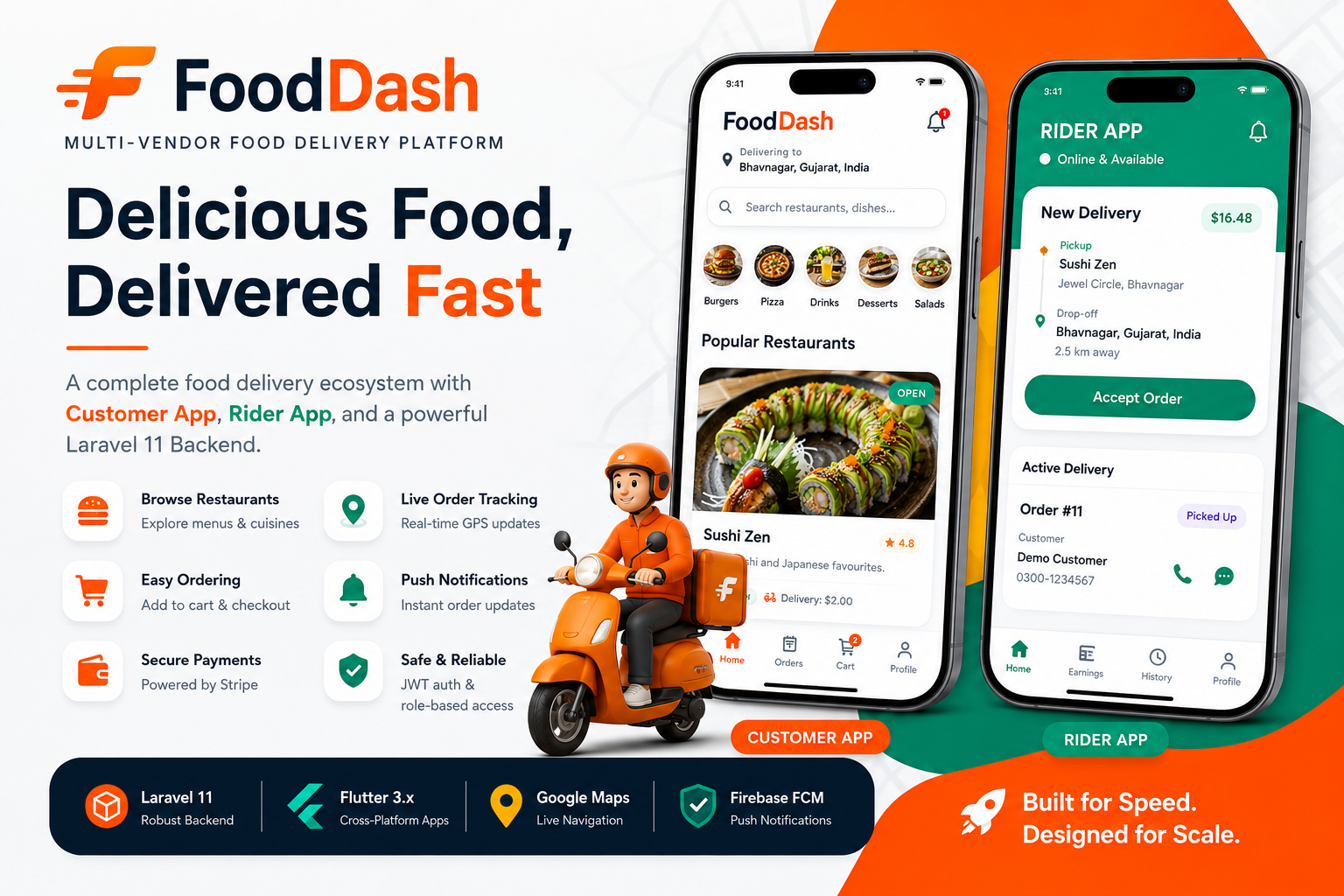
FoodDash Customer & Rider Apps

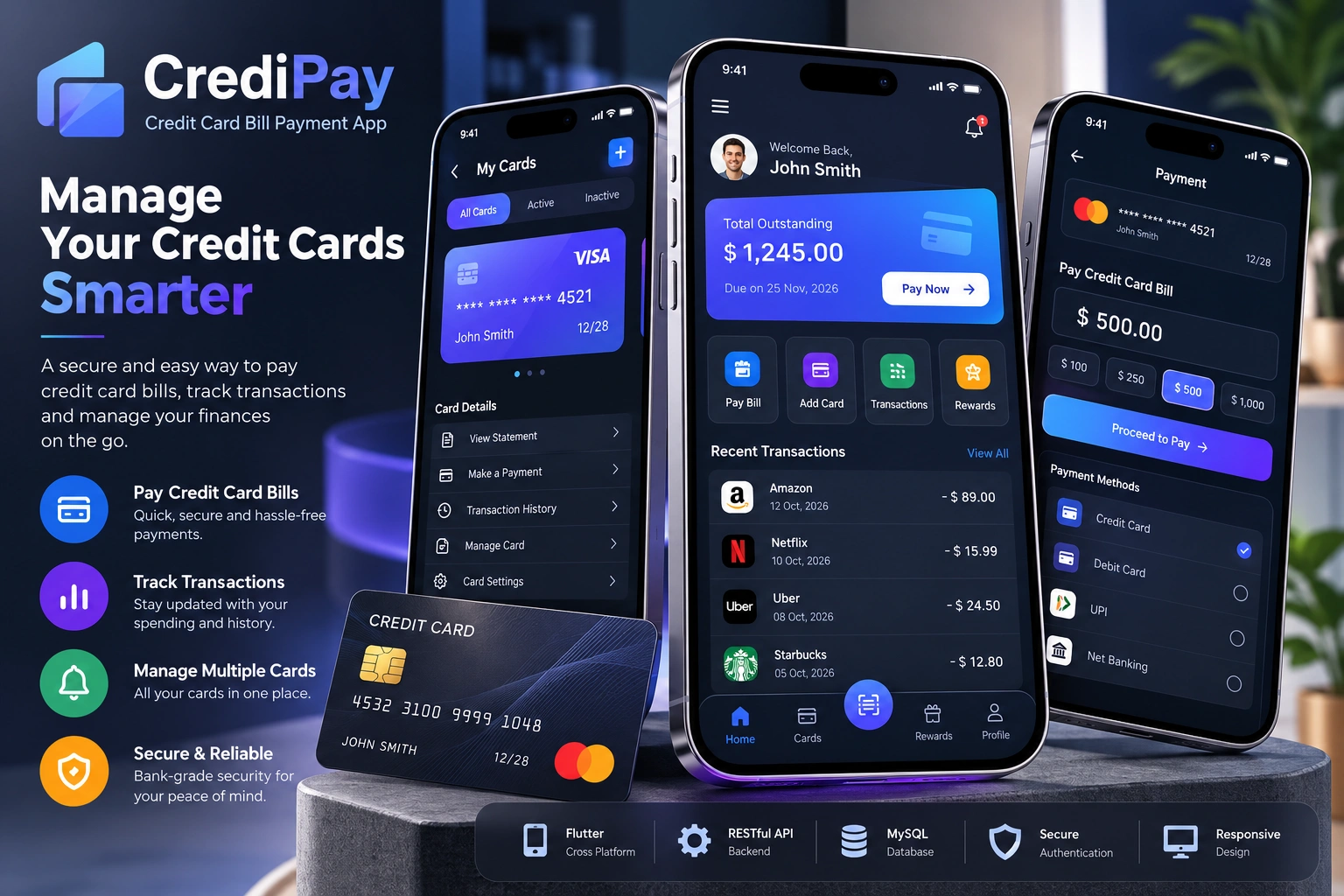
Two Flutter apps on a Laravel REST API: riders follow Google Maps navigation with GPS tracking and push alerts, customers order and track deliveries. A Saudi version would add Arabic RTL screens, National Address capture and local payment options.

View case study : FoodDash Customer & Rider Apps
  • Patient app
  • Doctor app
  • Video consultations
  • Digital prescriptions
Healthcare · Android & iOS

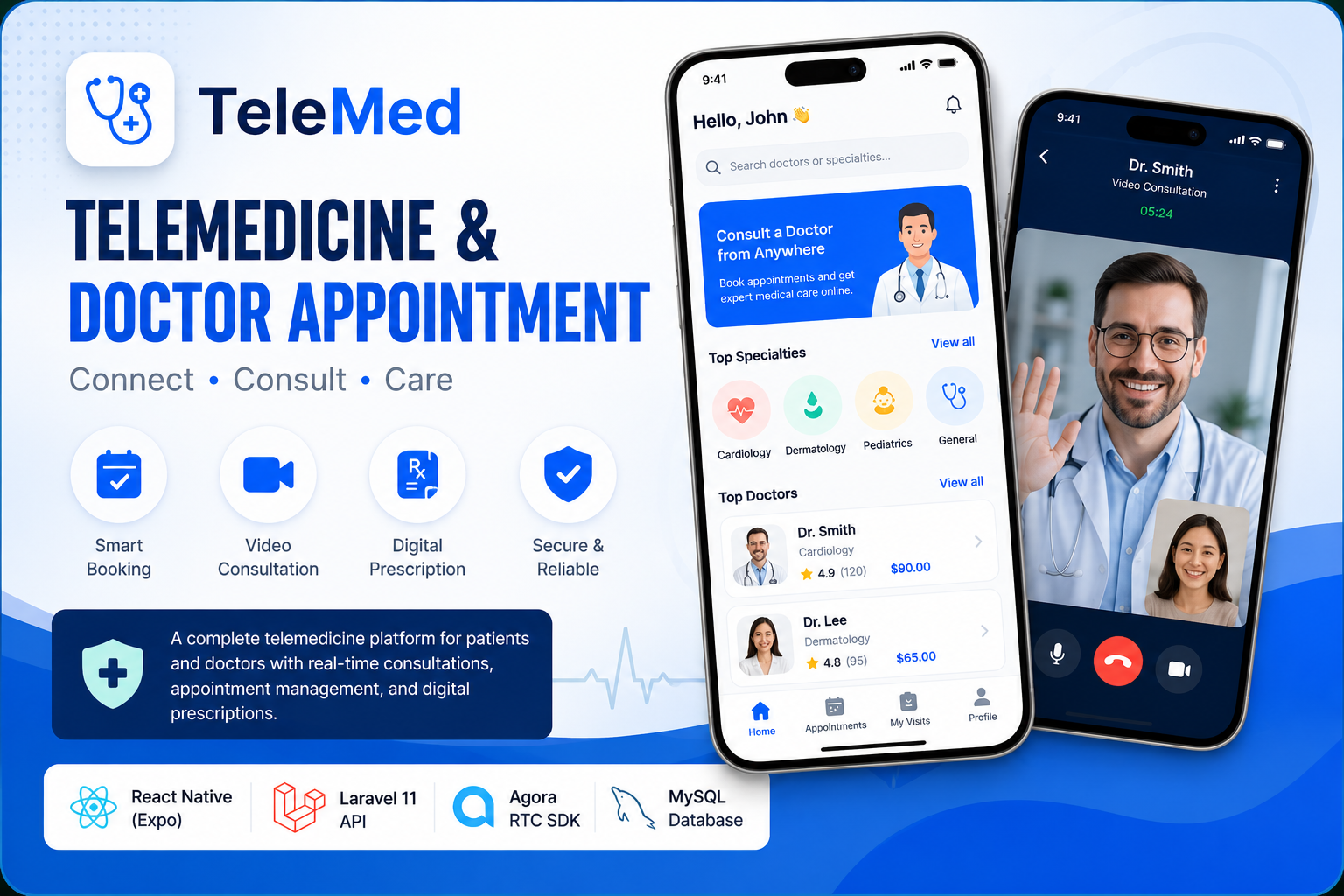
Telemedicine Appointment & Virtual Healthcare Platform

Patients search verified doctors, book visits and join Agora video consultations in one React Native app, while doctors manage schedules and prescriptions in another. In Saudi Arabia, health data needs explicit consent under the PDPL plus Ministry of Health rules.

View case study : Telemedicine Appointment & Virtual Healthcare Platform
  • Service catalog
  • Appointment booking
  • Live updates
  • Sanctum auth
Service Booking · Android & iOS

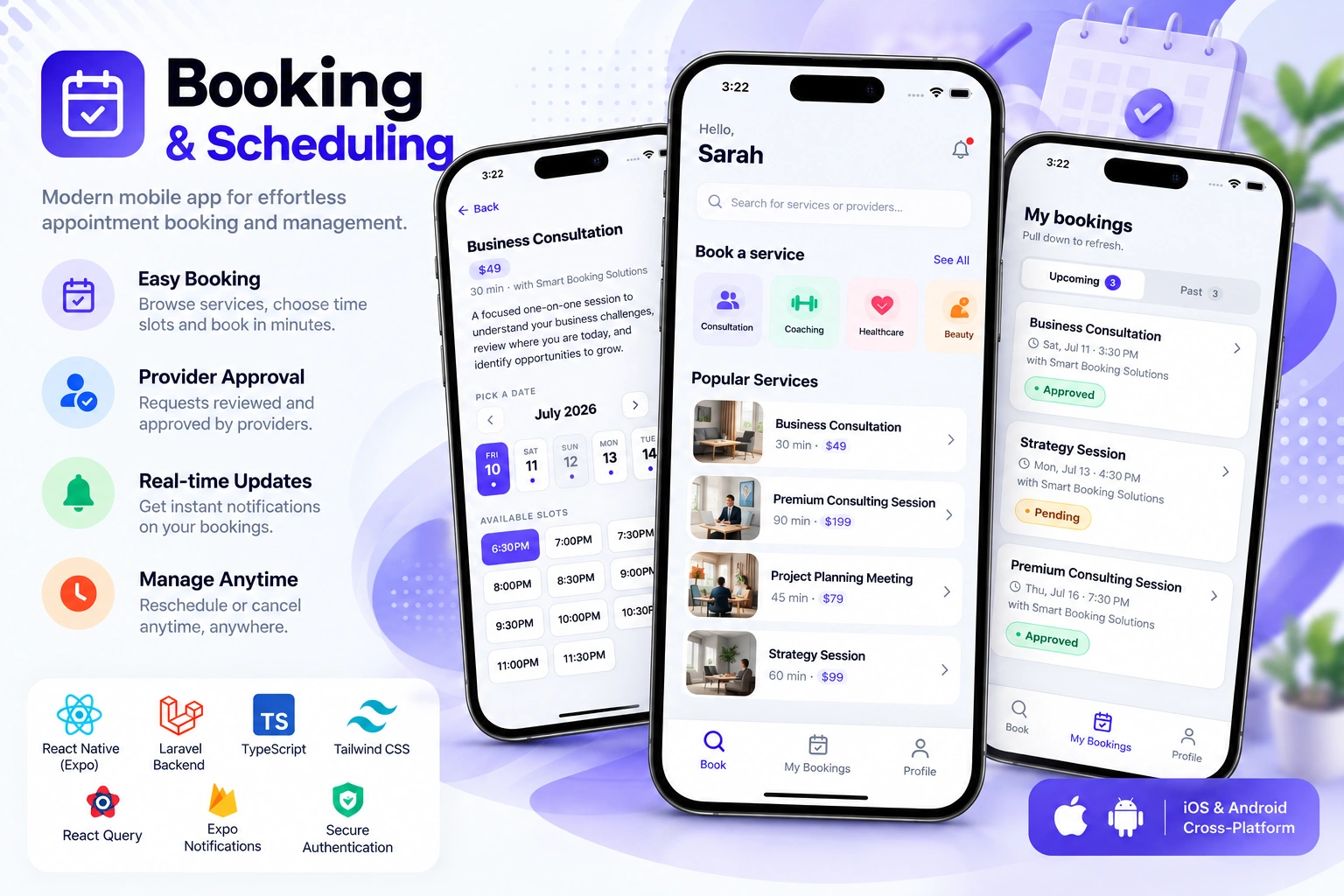
Booking Mobile App

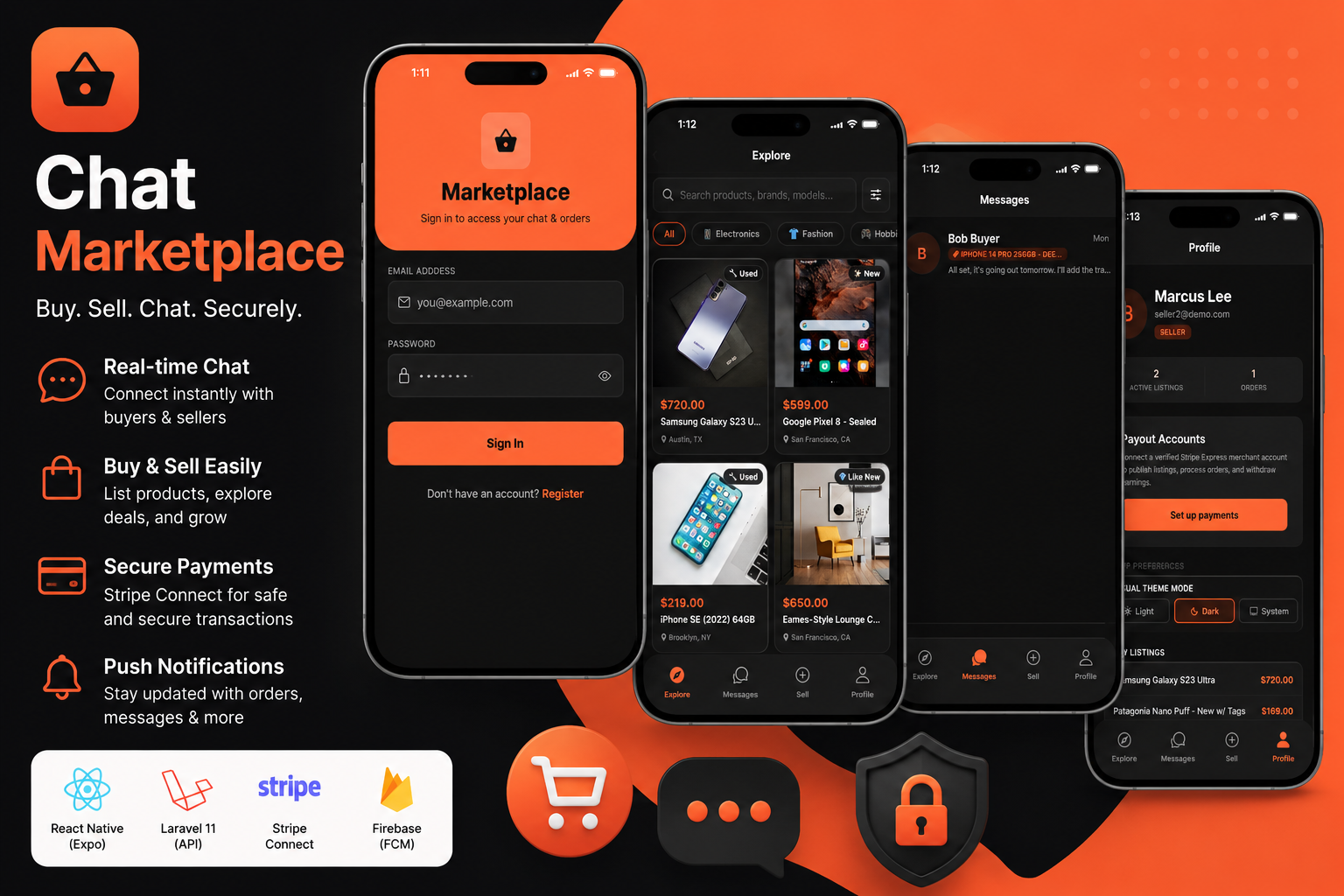
A React Native app where customers pick a service, schedule an appointment and get live booking updates, signing in to a Laravel backend through Sanctum. A Saudi version for salons, clinics or home-service firms could add WhatsApp booking confirmations.

View case study : Booking Mobile App
Start Your Project

Planning an Arabic-first Android app, or fixing one that struggles in RTL?

Tell us what the app must do, or share your current app and Play Console. We will propose an architecture and a scoped first release, covering RTL, payment and Nafath choices, and talk it through during Saudi working hours, Monday to Thursday.

FAQ

Saudi Android app projects: common questions

Android leads in Saudi Arabia, so should we launch on Android only? +

Usually not for a consumer app. StatCounter shows Android ahead, but its share moves noticeably month to month and iPhone users include many higher-spending customers, so launching on both stores with Flutter or React Native is often the better start. Native Android-only makes sense for rider, driver and staff apps on company devices, or when the app depends on scanners, Bluetooth hardware or background location.

How do you handle the Saudi PDPL when your team works from India? +

The PDPL also applies to processing outside the Kingdom of data about people in Saudi Arabia, and access from India can count as a transfer abroad, which needs a mechanism under SDAIA's Transfer Regulations chosen with your legal advisers. We support that by offering hosting on Saudi cloud regions where you need it, testing with seeded data and working under least-privilege access. In the app we collect only what each feature needs, ask explicit consent for sensitive data such as health information, and keep the Play Data safety form accurate.

Can the app be fully Arabic with proper right-to-left layouts? +

Yes. Compose layouts mirror automatically when built with start and end alignment, and we check icons, charts, mixed Arabic-English text, phone numbers and amounts that must not flip. Users can switch language in the app, and we handle Hijri dates and a digits preference. Arabic copy is reviewed in place on real screens, not only in a translation file.

Can users sign in with Nafath and pay with mada or STC Pay? +

Yes, through providers. Nafath identity checks are integrated through an approved provider, as banks and fintechs do for KYC, with SMS or WhatsApp OTP for everyday login. Payments run through a gateway such as Tap, Checkout.com, HyperPay or Moyasar that supports mada cards and STC Pay, and Tabby or Tamara BNPL can be added at checkout.

Who owns the Google Play listing, and do you prepare the Arabic store page? +

Your company does. We publish under your own Play Console developer account, so the listing, signing setup and reviews stay in your name. We prepare Arabic and English store listings and screenshots, signed App Bundles and a Data safety form consistent with your PDPL privacy notice, handle review feedback, and plan the yearly target API updates Google Play requires.

How do working hours and weekends line up with a Saudi team? +

India is two and a half hours ahead of Saudi Arabia, so 09:00 to 17:00 in Riyadh is 11:30 to 19:30 for us, nearly your whole working day. Monday to Thursday are shared workdays; Sunday is a Saudi workday but an Indian weekend day, so we agree Sunday cover or written updates. We plan releases around Ramadan's shorter working hours and avoid the Eid holidays, Founding Day and National Day.

Case Studies

Related Projects