Kotlin Android Developers UK

Native Android app development in the UK for the handsets your field, depot and care staff carry

Many UK firms buy Android handsets and rugged scanners for their staff, from delivery drivers and engineers on site visits to warehouse and care teams working with patchy signal. SofttechOver builds native Kotlin and Jetpack Compose apps for those fleets.

Offline-First Field App

Visits captured offline, synced when the signal returns.

Today's rounds stored locally in Room

Proof-of-delivery photos synced by WorkManager

Addresses matched by postcode lookup

About The Service

From discovery call to a build on your staff's phones.

We start with who uses the app, on which handsets, what must work offline, and what personal data it collects under UK GDPR and the Data Protection Act 2018. That settles the architecture, minimum Android version and data-handling approach before screens are built.

From the early sprints, builds reach your team through a Play Console internal testing track, and reviews happen in UK mornings, when our working day in India overlaps with yours.

Kotlin & Jetpack Compose

New apps use Kotlin, Compose UI, MVVM, coroutines and Hilt for dependency injection, following Google's recommended app architecture.

Tested on Your Fleet's Phones

Unit tests on ViewModels, Compose UI tests on key flows, then checks on the handset models your staff carry, including the oldest still in service.

Inherited Java Apps

If your app was built years ago by an agency or contractor who has moved on, we take over the Java code, update target API levels and move screens to Kotlin step by step.

Native or Cross-Platform?

Where native Android earns its place in a UK business

UK mobile traffic is split almost evenly between iOS and Android, so most consumer apps need both platforms: compare Flutter app development and React Native app development, or see iOS app development. Native Android pays off when the business chooses the device, or hardware and coverage are involved.

Company-Issued Android Fleets

Your engineers, drivers or carers use handsets the business buys, so you choose the platform and gain more from Android depth than from a second app store.

Scanners, Printers and Sensors

The app drives barcode scanning for parcels and stock, Bluetooth label or receipt printers, NFC tags or LE sensors, where native APIs give the most control.

Managed and Rugged Devices

Devices run under Android Enterprise in kiosk or dedicated-device mode in warehouses, depots and shop floors, with update rollouts you control.

Rural and Patchy Coverage

Work continues in basements, large sites or rural areas without signal; location tracking, sync and uploads survive Doze mode and restarts via foreground services and WorkManager.

What We Deliver

What a UK Android build covers, from first sprint to Google Play.

New native Android apps in Kotlin and Jetpack Compose, from clickable prototype to production release under your own Play Console account.

Offline-first data with Room and background sync, with agreed conflict rules for when office staff and field users edit the same job.

UK integrations via your backend: Xero, Sage or QuickBooks, address search by postcode, and Royal Mail, DPD or Evri tracking.

Payments: Google Pay and card checkout through Stripe, Adyen or Worldpay, with strong customer authentication (SCA) supported through 3-D Secure.

Privacy and accessibility: consent prompts where PECR requires them, accurate Play Data safety forms, and screens built to WCAG 2.2 AA and tested with TalkBack.

Ongoing care: yearly target API updates and Crashlytics crash and ANR monitoring, with release dates set around your peak trading weeks and bank holidays, which differ between England and Wales, Scotland and Northern Ireland.

Android Projects

Android apps from our portfolio, and where they fit UK use cases

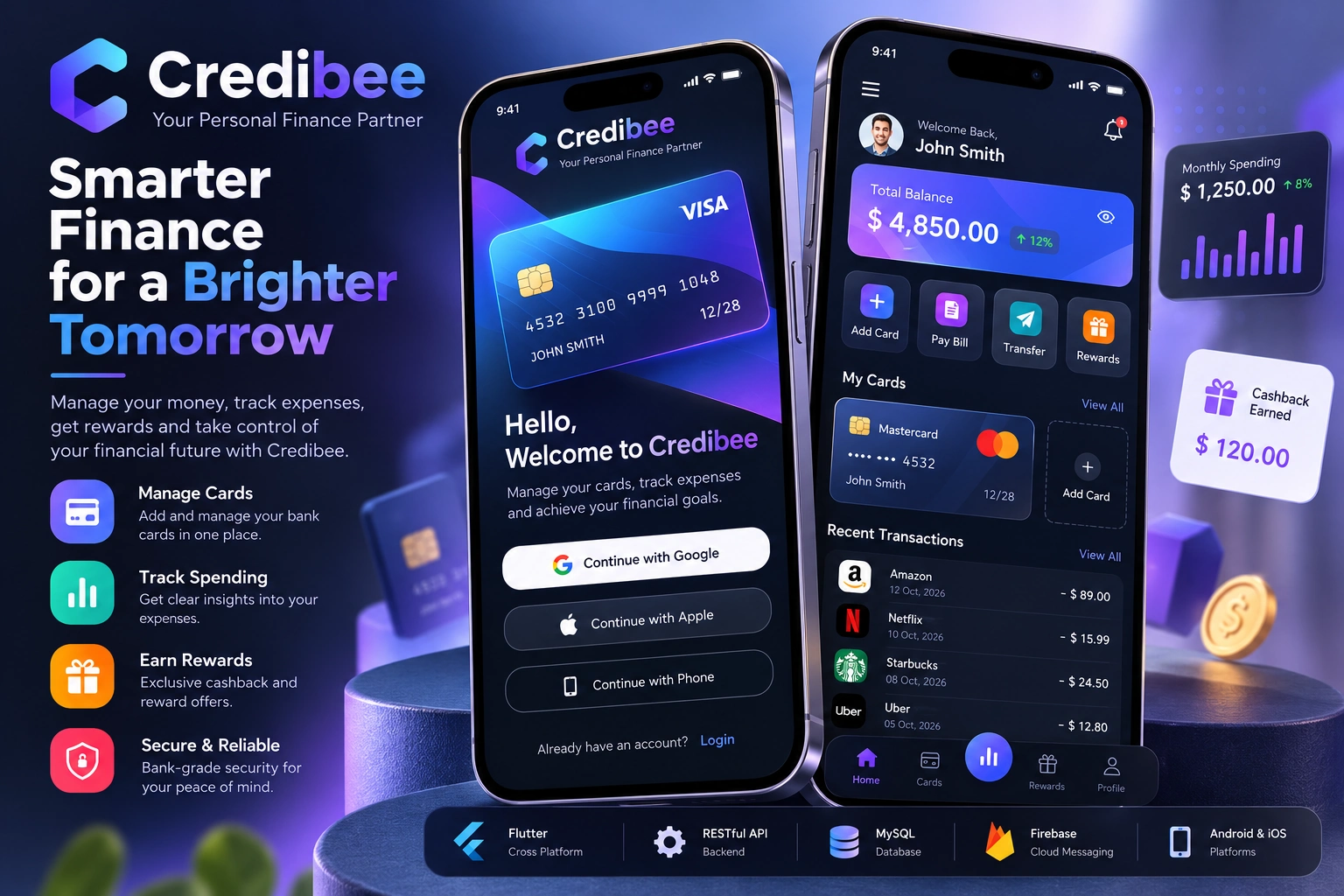
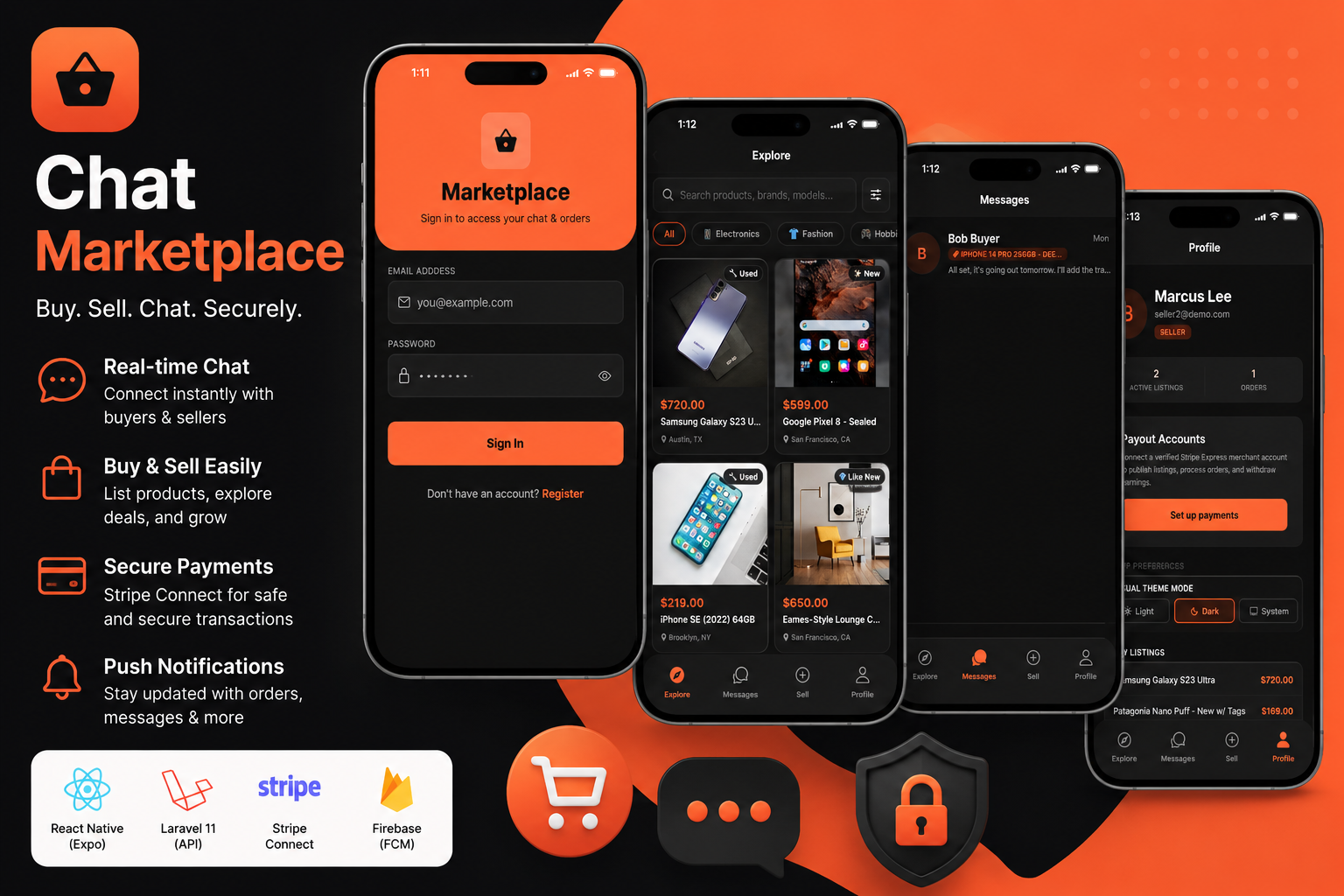
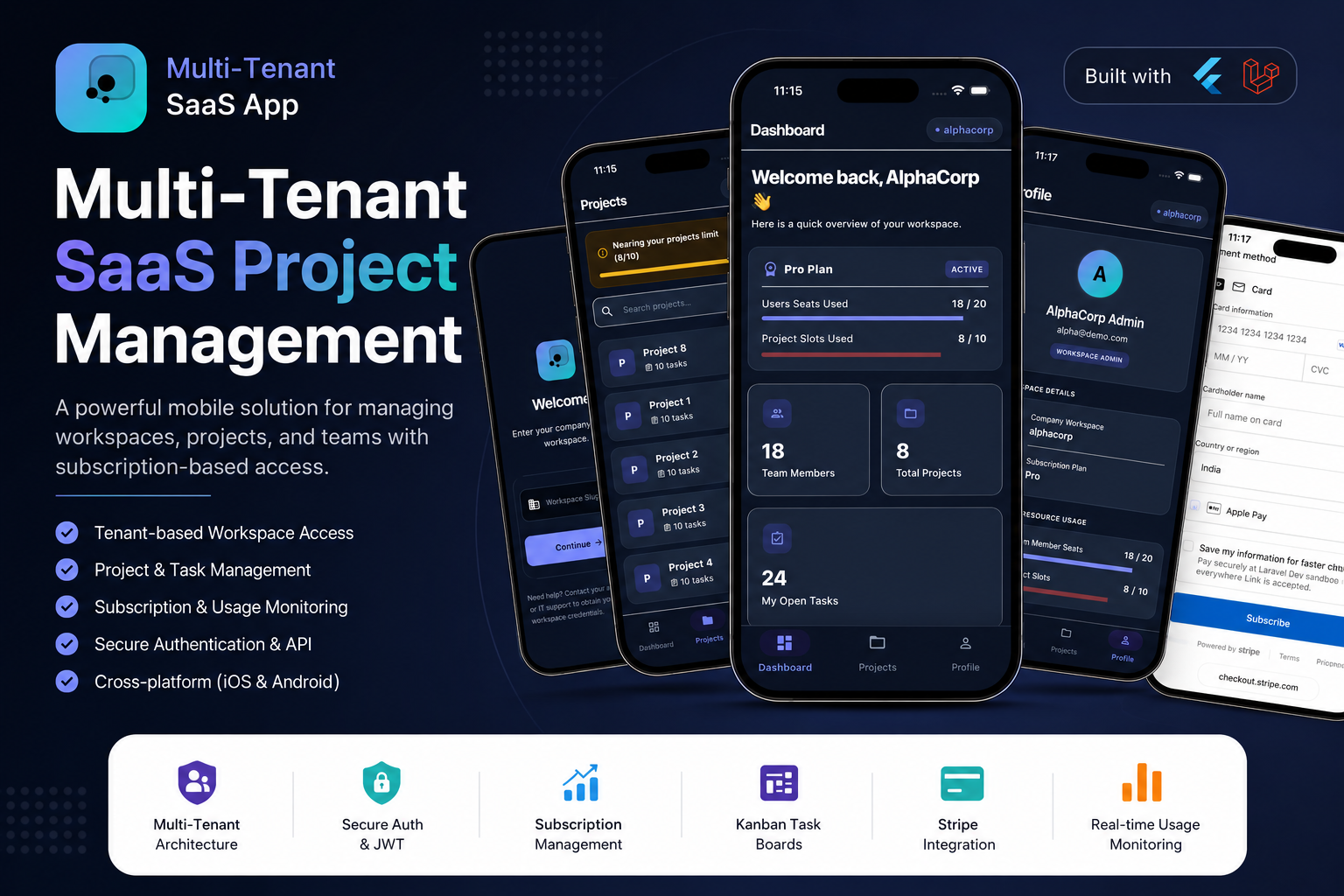
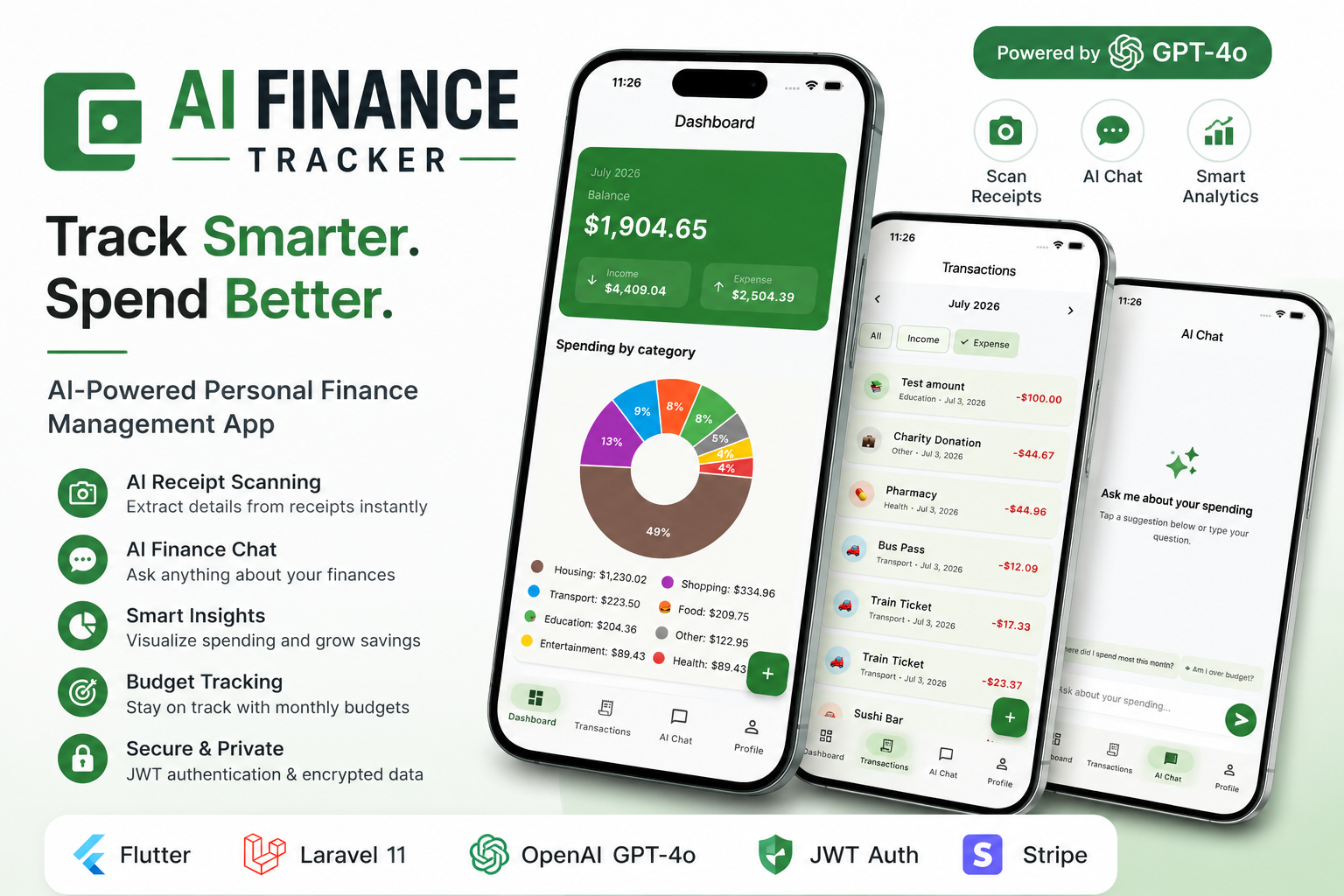
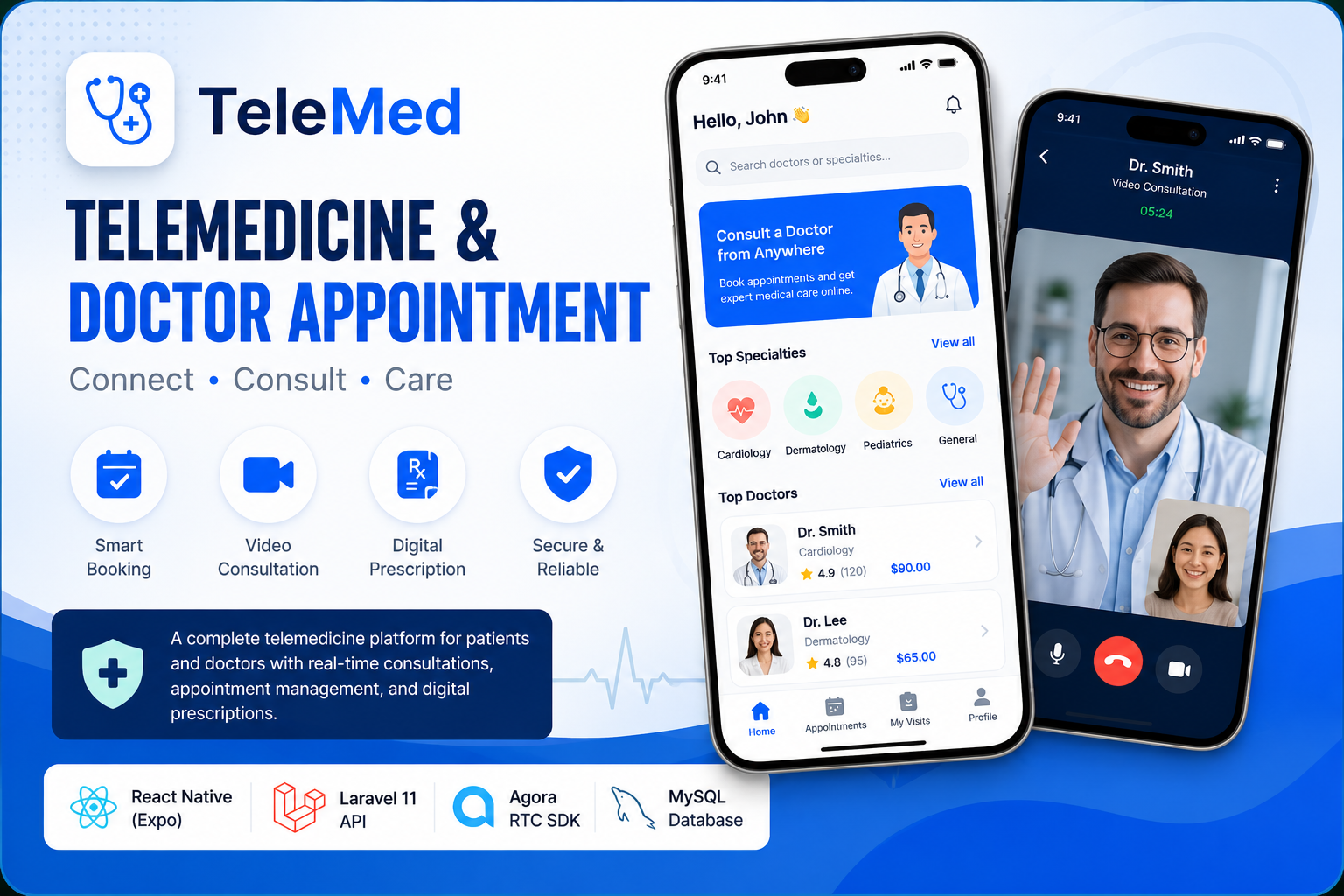
All three were built with Flutter or React Native and released on Google Play as well as the App Store. Each covers Android work a native build also needs, such as push alerts, live location, video calls and a Laravel backend, in patterns that suit UK delivery, healthcare and service businesses.

  • Rider navigation
  • GPS tracking
  • Push notifications
  • Online ordering
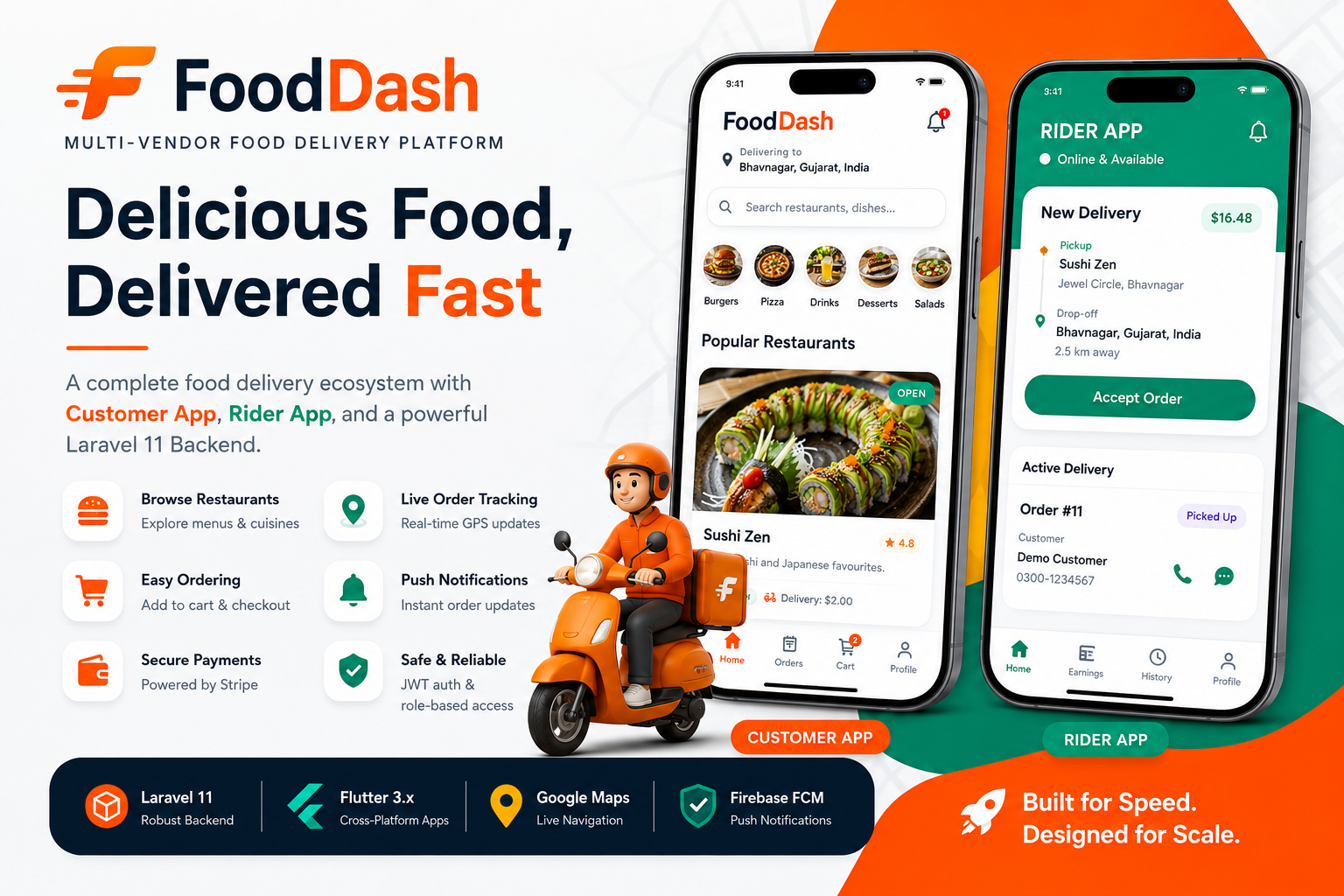
Food Delivery · Android & iOS

FoodDash Customer & Rider Apps

Flutter apps for customers and delivery riders, with Google Maps navigation, GPS tracking and push alerts on a Laravel REST API. The same rider-app pattern suits UK courier and same-day delivery operations.

View case study : FoodDash Customer & Rider Apps
  • Patient app
  • Doctor app
  • Video consultations
  • Digital prescriptions
Healthcare · Android & iOS

Telemedicine Appointment & Virtual Healthcare Platform

Separate React Native patient and doctor apps with verified-doctor search, booking, Agora video consultations and digital prescriptions. The two-app pattern suits UK private clinics and care providers; an app sold to the NHS would also be assessed against DTAC.

View case study : Telemedicine Appointment & Virtual Healthcare Platform
  • Service catalogue
  • Appointment booking
  • Live updates
  • Sanctum auth
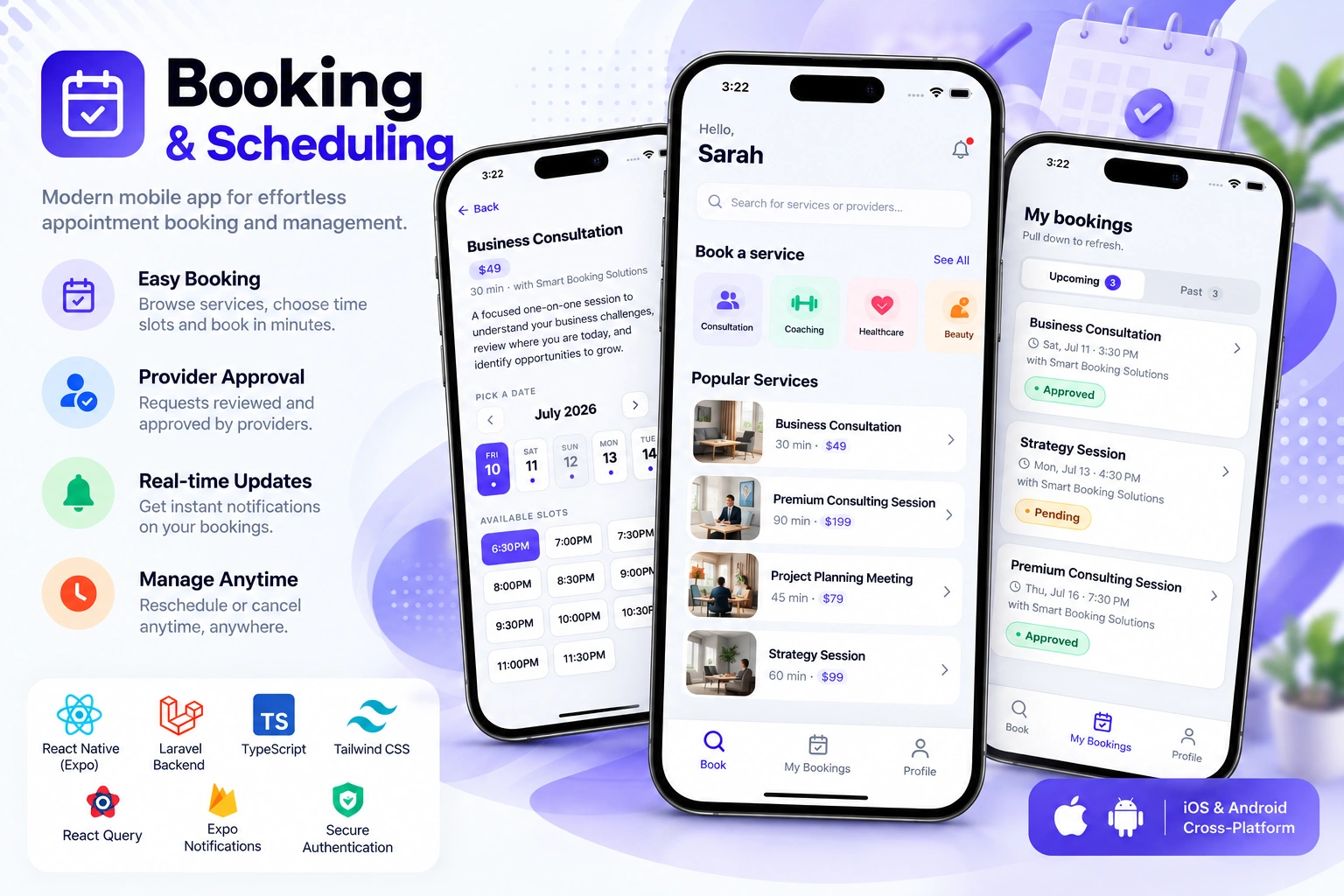
Service Booking · Android & iOS

Booking Mobile App

Customers choose a service, book an appointment and follow it through live updates; the React Native app signs in against a Laravel backend with Sanctum. The pattern fits UK salons, clinics and trades taking bookings by mobile.

View case study : Booking Mobile App
Start Your Project

Replacing an ageing Android app your field team relies on, or planning a new one?

Share the feature list, or give us access to the current app and Play Console. You will get a recommended architecture and a scoped first release in writing, then a call on a UK morning to go through it.

FAQ

Android app development FAQs for UK businesses

With iPhone so popular in the UK, should we build native Android at all? +

Your customers are as likely to carry an iPhone as an Android phone, so customer-facing apps usually need both, and Flutter or React Native often reaches both stores with one codebase. Native Android makes sense when the business issues Android devices to staff, or the app relies on scanners, Bluetooth hardware, background location or kiosk mode. We recommend an approach once we know your users and their devices.

Can you build for company-managed devices under Android Enterprise? +

Yes. We build apps that run as managed apps through your mobile device management tool, support dedicated-device (kiosk) mode for depots and shop floors, and read managed configurations so settings can be pushed centrally. Releases can go through a private Google Play listing for your organisation, so updates reach staff handsets on the schedule your IT team sets. Personal data on the device is limited to what each job needs.

Can the app meet accessibility expectations for public sector clients? +

Public sector bodies must meet WCAG 2.2 AA in their mobile apps and publish an accessibility statement, and the Equality Act 2010 expects reasonable adjustments from private service providers too. We build screens to WCAG 2.2 AA with content descriptions, scalable text and sufficient colour contrast, and test with TalkBack. Your organisation owns the accessibility statement; we provide testing notes to support it.

Will the app keep working on rural rounds and in basements with no signal? +

Yes. Jobs, forms and reference data are stored in a Room database on the device, changes are queued, and WorkManager syncs them when a connection returns, which matters on rural rounds, in basements and on large sites. Conflict rules are agreed up front, for example what happens when the office and a field user edit the same job.

How do you handle UK GDPR when your developers work from India? +

Remote access from India counts as a restricted transfer, and India has no UK adequacy decision, so your organisation needs a transfer mechanism such as the IDTA or the UK Addendum, backed by a transfer risk assessment; your advisers choose which. We keep exposure small: the backend can sit in a UK or EU cloud region, we develop against seeded or anonymised test data, and production access is least-privilege and logged. The app is published under your own Play Console account.

Which Android versions and handsets will the app support? +

We agree a minimum Android version from the devices your staff and customers actually use, not just the newest phones. Testing covers the oldest model still in service, any rugged or scanner devices you run, and a current mid-range handset, so the app behaves the same in a depot as in the office.

Case Studies

Related Projects