Can one Laravel application work in Hebrew and English, and in Arabic if needed? +
Yes. We use Laravel's localization files, set the page direction per locale and build layouts with logical CSS properties so they mirror correctly in RTL. Forms handle mixed Hebrew and English input, dates use DD/MM/YYYY, and Arabic can be added as another RTL locale.
Which Israeli payment gateways can you integrate? +
We integrate gateways such as Tranzila, Cardcom, Grow (formerly Meshulam), Hyp and PayPlus, including tokenized cards, installment payments and recurring billing. Bit, Apple Pay and Google Pay are added through the gateway where it supports them. The merchant account stays in your company's name.
Can the system request allocation numbers for tax invoices? +
Yes, through your invoicing provider or ERP, for example Priority, Hashavshevet, Rivhit or iCount, where it supports the Tax Authority's allocation process. Laravel sends the invoice data, stores the returned allocation number on the invoice and retries through a queue if the service is slow, so finance does not chase missing numbers by hand.
How do you handle Israel's Privacy Protection Law and Amendment 13? +
We build with the law and the Data Security Regulations in mind: role-based access, access logging, documented incident records, retention rules and separate, specific consent for marketing under section 30A of the Communications Law. Your legal team or DPO decides what applies to your databases; we implement and document the controls.
Can our data be hosted outside Israel while your team works from India? +
Israel has no general data-residency requirement, but transfers abroad must meet the Transfer of Data to Databases Abroad Regulations. We host in the cloud region you choose, develop on seeded or anonymized data and limit production access to named engineers. Banks and health providers have extra rules, such as Bank of Israel Directive 362 and MOH circulars, and we support that work.
Can one Laravel backend serve our web app and our mobile apps? +
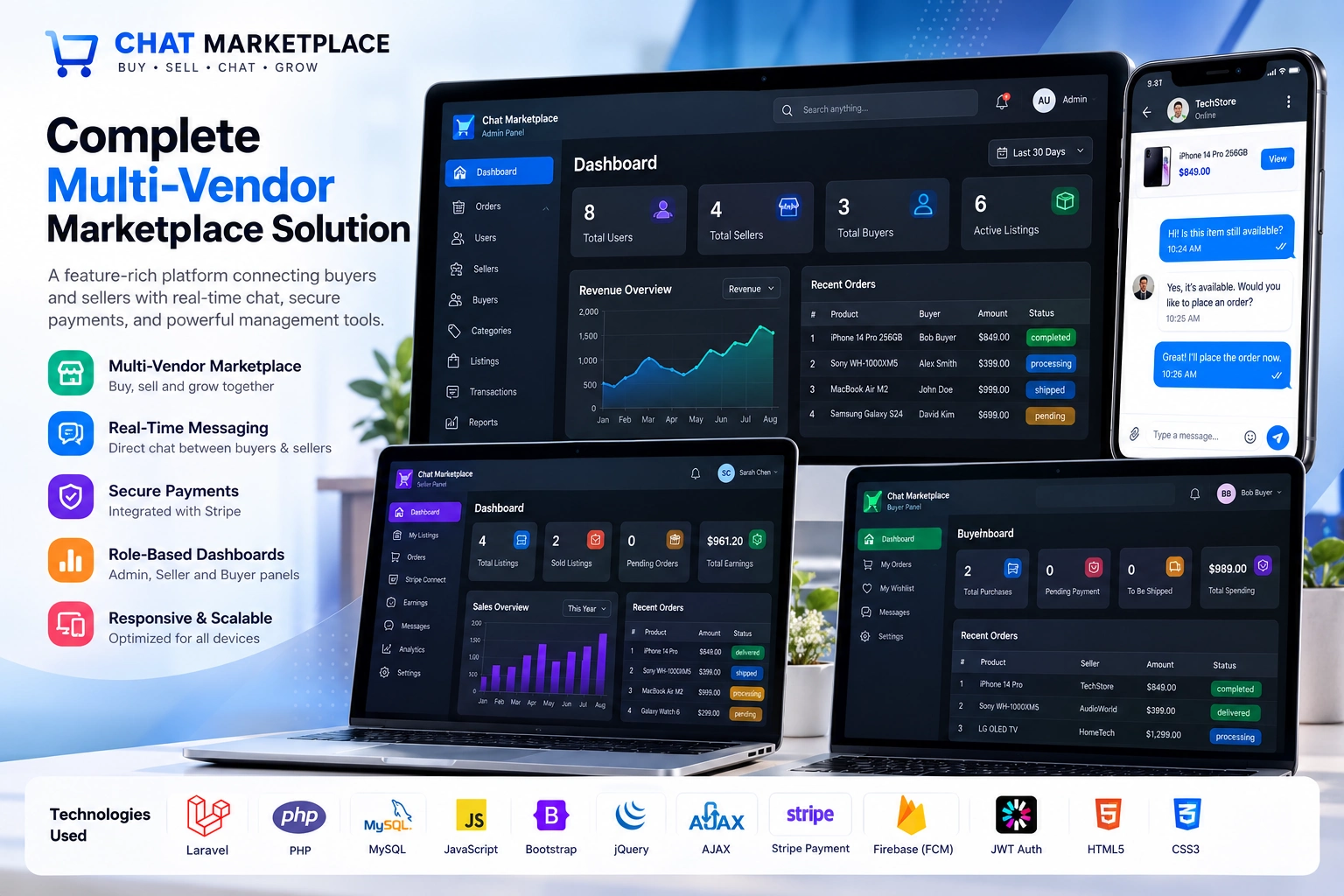
Yes. We expose a versioned JSON API with Sanctum tokens for your Android, iOS, Flutter or React Native apps, while the web side uses the same models, policies and validation. OTP sign-in, push notifications and WhatsApp alerts run through Laravel queues, so mobile and web users see the same data and permission rules.
Can you take over a Laravel project from our in-house team or another vendor? +
Yes. We start with a code audit covering framework version, test coverage, security issues and deployment, then agree what to fix first. We keep a stable core team on your project and document as we go, so knowledge does not walk out with one developer.
Which admin panel approach works best in Hebrew? +
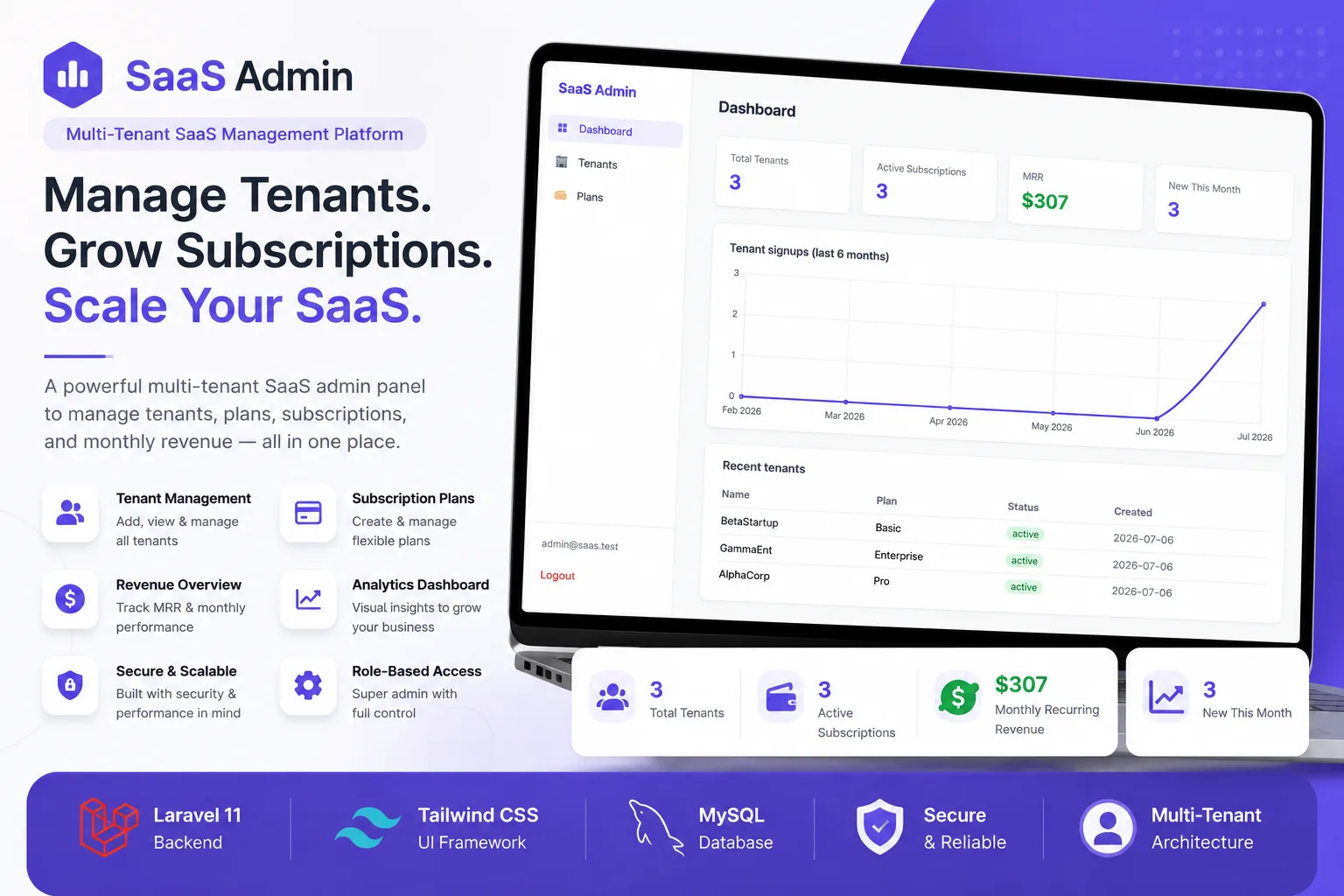
For internal back offices we often use Filament, which supports right-to-left layouts and builds admin screens quickly on top of your Eloquent models. Customer-facing portals that need more design freedom are built in Blade with Livewire, or with Inertia and Vue or React. Either way, tables, filters and forms are checked with Hebrew data, mixed-direction values and DD/MM/YYYY dates before release.