Ecommerce Development

Ecommerce development services for online stores, B2B portals and marketplaces.

We build commerce around the parts that decide whether it works day to day: catalog structure, checkout and payments, stock and order flow, and the integrations your operations team relies on.

D2C Stores

Brand and retail storefronts on Shopify, WooCommerce or a custom build.

B2B Ordering

Account-based catalogs, quote requests, approval steps and quick reorders.

Marketplaces

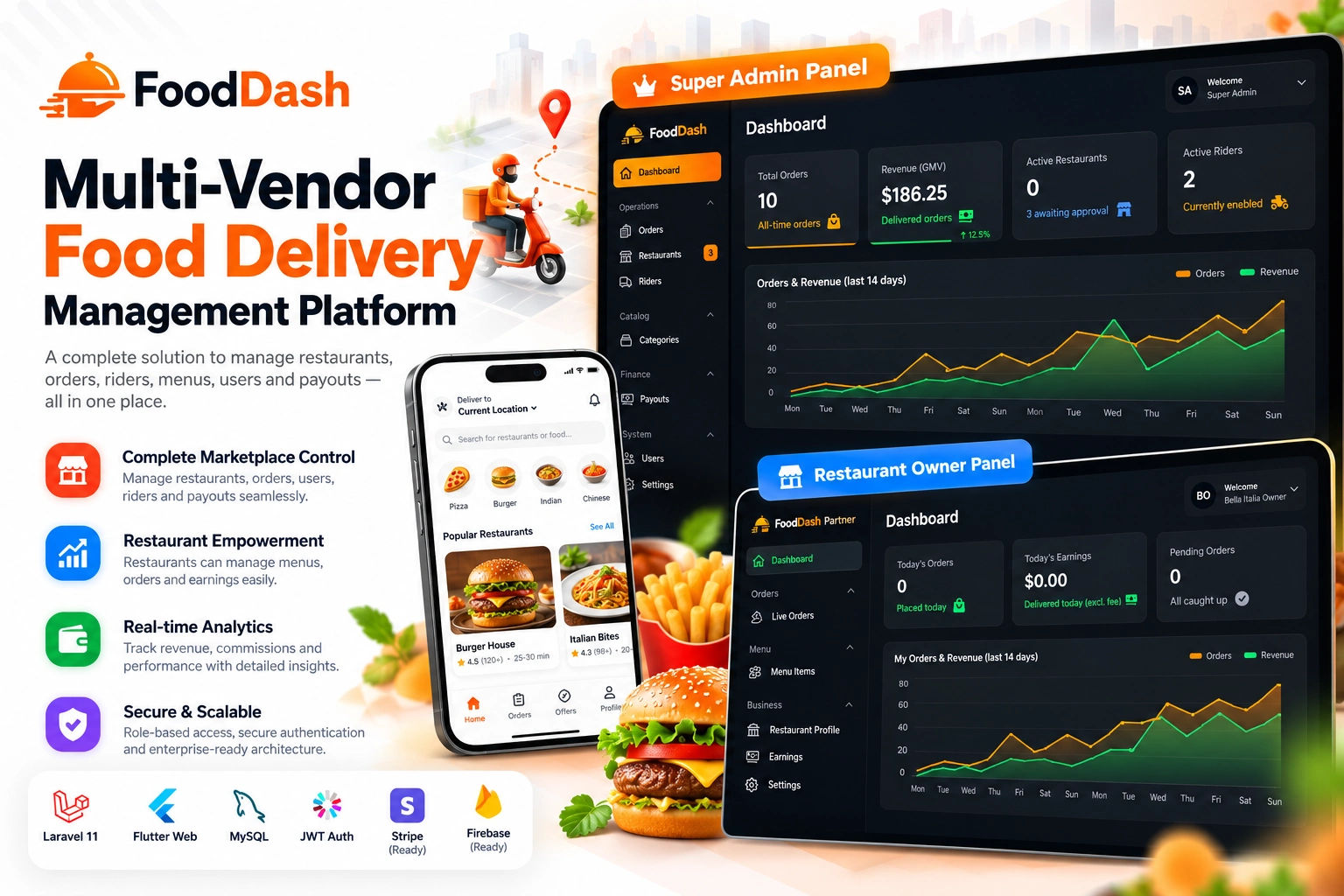
Multi-vendor platforms with seller onboarding, commissions and payouts.

Integrations

Payments, shipping carriers, ERP, CRM and marketplace feeds kept in sync.

About The Service

An online store is a sales channel and an operations system.

A theme can make a store look finished, but revenue depends on what sits behind it: how products and variants are modeled, how checkout applies payment and shipping rules, and whether each order reaches the warehouse, accounting and the customer correctly.

SofttechOver plans these layers in one project instead of patching them after launch.

Catalog

Product, variant and attribute models, filters and search that match how your customers actually shop.

Checkout

Payment methods, shipping and tax rules, discounts and guest checkout configured for your markets.

Operations

Orders, stock, returns and notifications flowing into the tools your team already uses.

Who It's For

Ecommerce development for brands, wholesalers and marketplace founders.

Choose this service when selling online is the core of the project. If you need a booking system, client portal or internal tool without a cart, see customized web development; if your store works but looks dated, web redesigning is the shorter route.

D2C and Retail Brands

Launching a first store or moving off a template that no longer fits your catalog, promotions or markets.

B2B Wholesalers

Replacing email and spreadsheet orders with trade accounts, private catalogs, quotes and repeat ordering.

Marketplace Founders

Building a multi-vendor platform where sellers list products, buyers check out and the platform manages payouts.

Growing Retailers

Outgrowing current plugins or apps and needing ERP sync, multi-warehouse stock or custom order rules.

Our Services

Ecommerce development services from launch to replatforming.

New store builds, migrations from one platform to another, custom features on an existing store, and ongoing development once you are live.

Storefront Design & Build

Mobile-first category, product and cart pages designed around your catalog, then built as a theme or custom frontend.

Checkout & Payments

Payment gateway and wallet setup, webhook handling, shipping rate rules, coupons and order confirmation flows.

ERP, Shipping & Marketplace Sync

Stock, order and product data synced with ERP, carrier and marketplace systems through APIs and scheduled jobs.

Subscriptions & Memberships

Recurring orders, member-only products and account areas for managing renewals and order history.

Replatforming & Migration

Moving products, customers and order history off your current platform, with URL mapping planned before the cutover date.

Store Speed & Technical SEO

Image optimization, caching, Core Web Vitals fixes, structured product data and clean category URLs.

Platforms

Shopify, WooCommerce, Laravel or headless: choosing the right platform.

We recommend a platform based on catalog size, how unusual your order rules are and who will manage the store after launch. Custom builds use our Laravel development practice, and headless storefronts are typically built with Next.js.

Shopify Development

Best when you want hosted infrastructure and a fast launch, and your needs fit themes, apps and Shopify's checkout.

WooCommerce Development

Suits stores already on WordPress or content-heavy brands that want full control of hosting and plugins.

Custom Laravel Ecommerce

For marketplaces, B2B rules and order workflows that off-the-shelf platforms would force you to work around.

Headless Commerce

A separate frontend over a commerce API, worth it when you need custom UX or several channels on one backend.

Development Process

How we build and launch an ecommerce store.

Each stage ends with something you can review: a catalog map, clickable designs, a staging store and a tested launch checklist.

Discovery & Catalog Mapping

We map products, variants, customer types, order flow and every system the store must connect to.

UX & Store Design

Wireframes and designs for category, product, cart and checkout pages, reviewed on mobile first.

Development on Staging

Theme or custom build on a staging store loaded with your real catalog, so you review actual product and checkout pages.

Sandbox-First Integrations

Payment, carrier and ERP or CRM connections built against sandbox accounts first, then switched to live credentials.

Testing & Launch

Test orders through each payment and shipping path, redirect checks, speed checks and analytics events before go-live.

Post-Launch Development

Monitoring, fixes and new features released in planned iterations once real order data starts coming in.

Work Showcase

Ecommerce stores and marketplaces we have built.

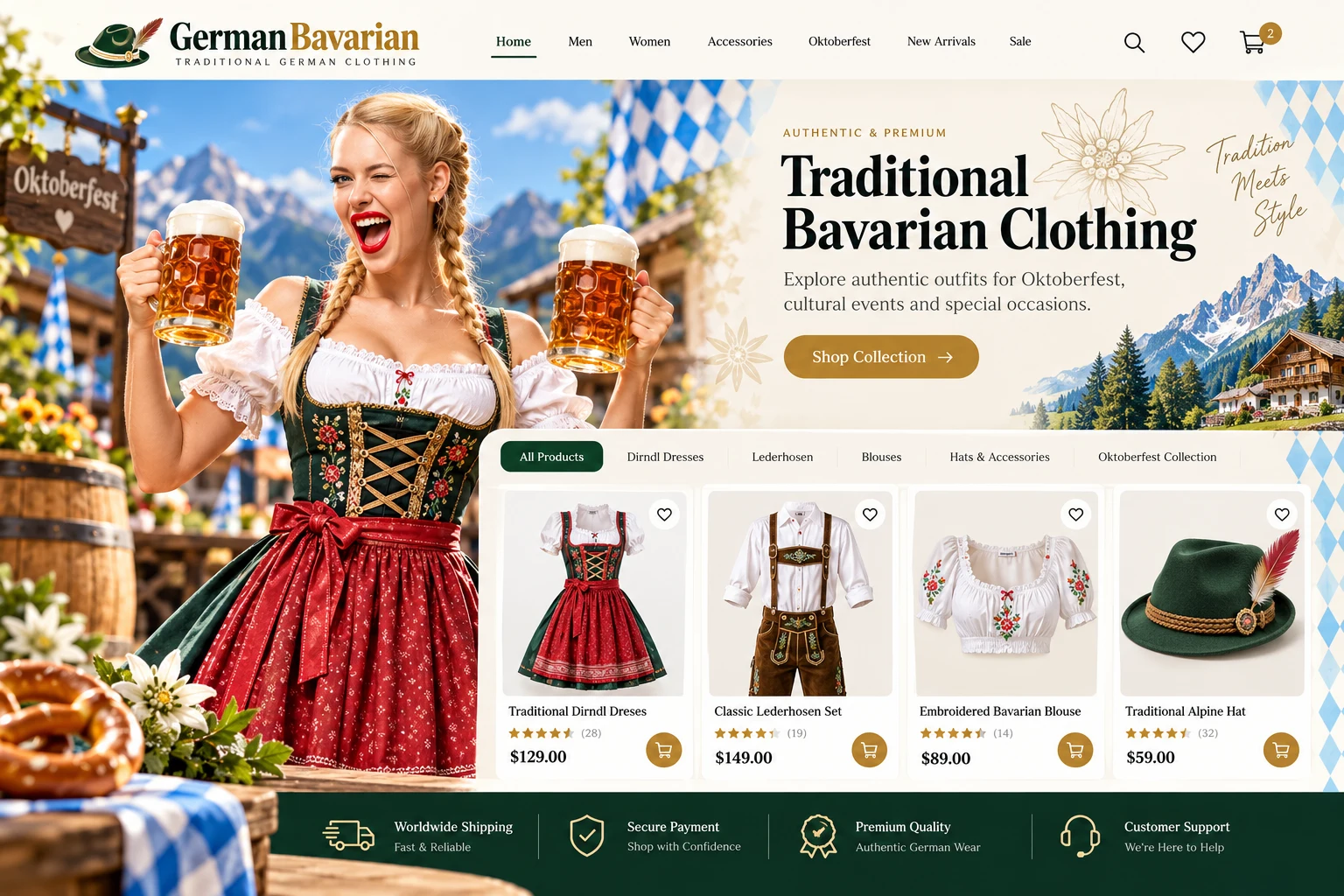
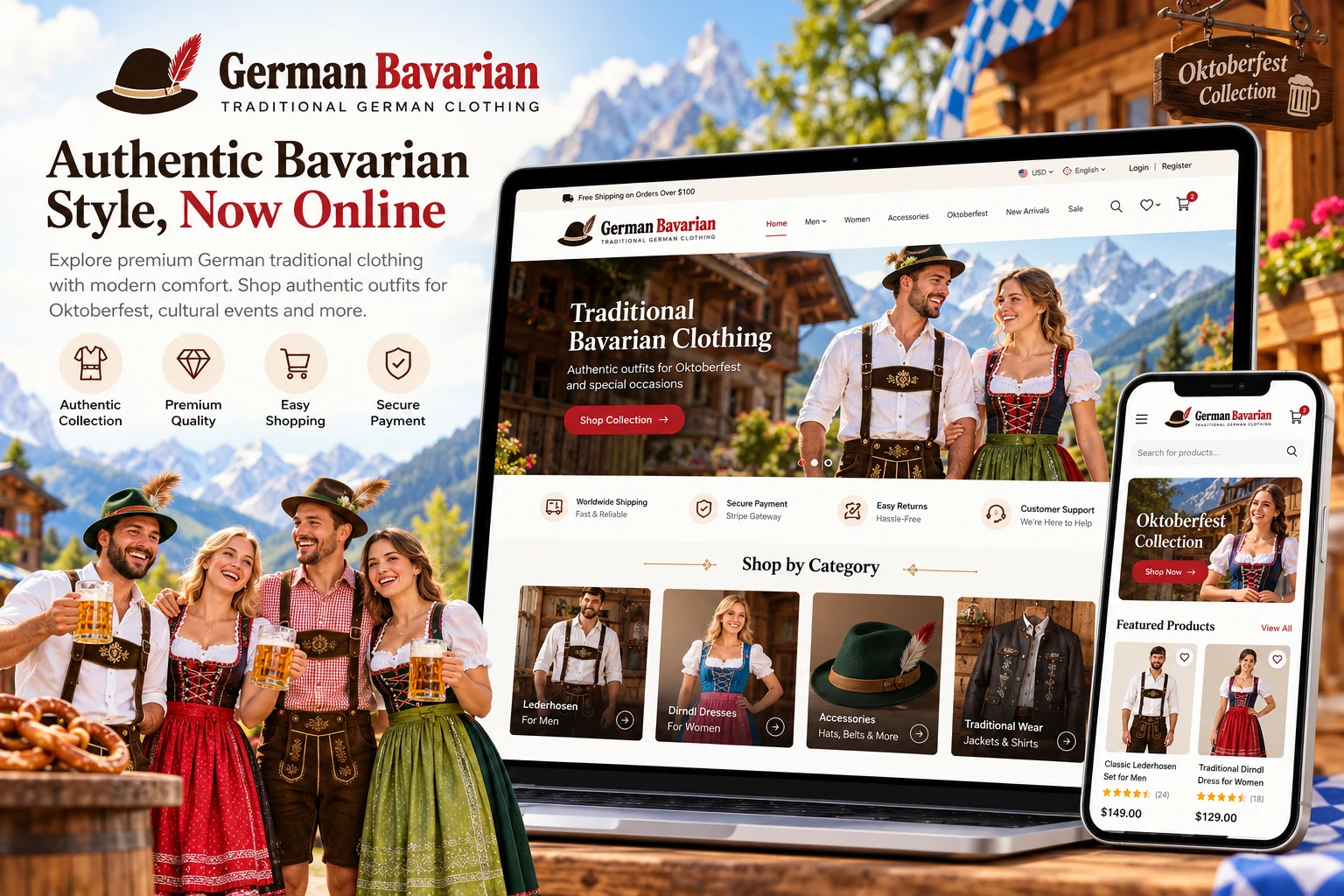
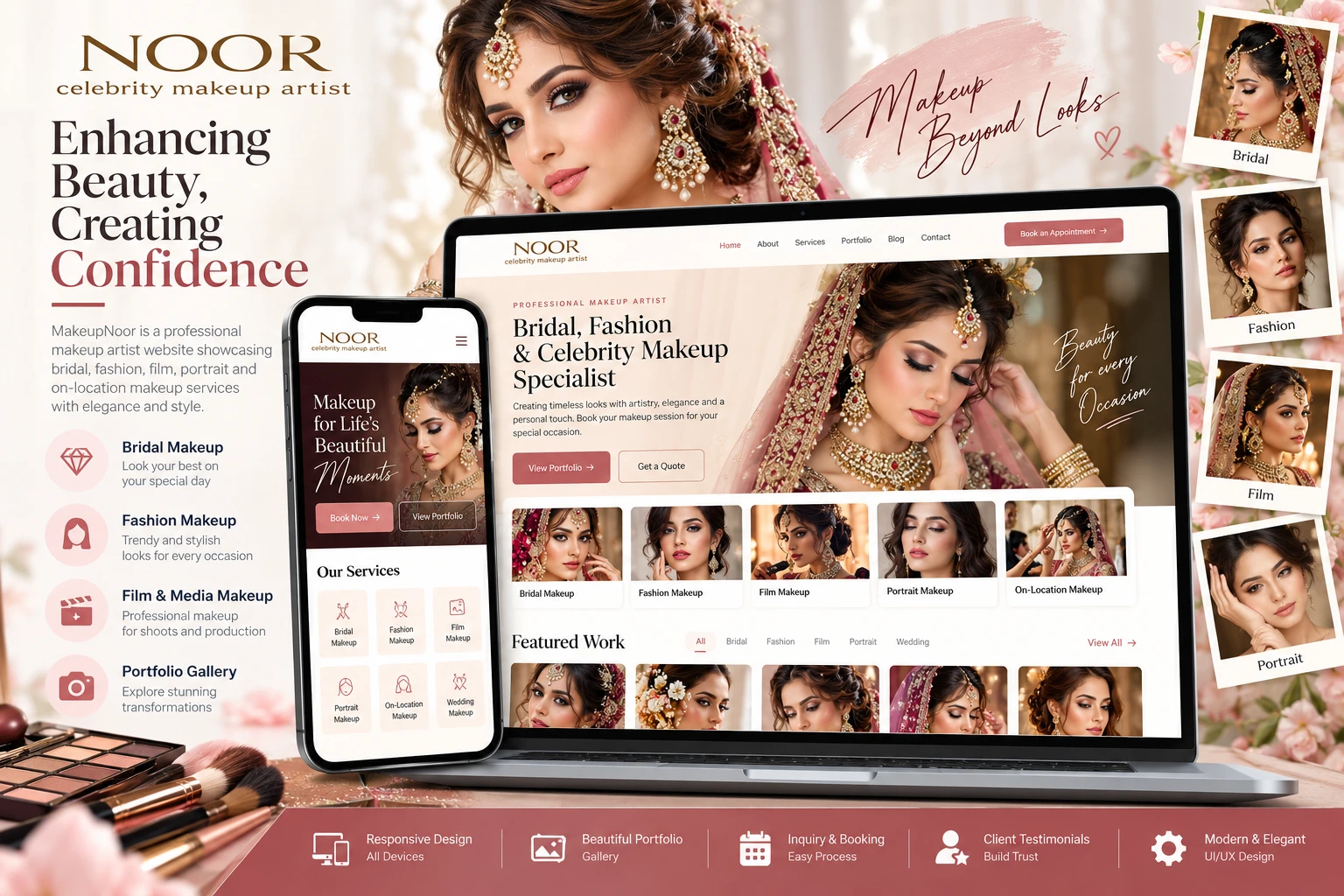
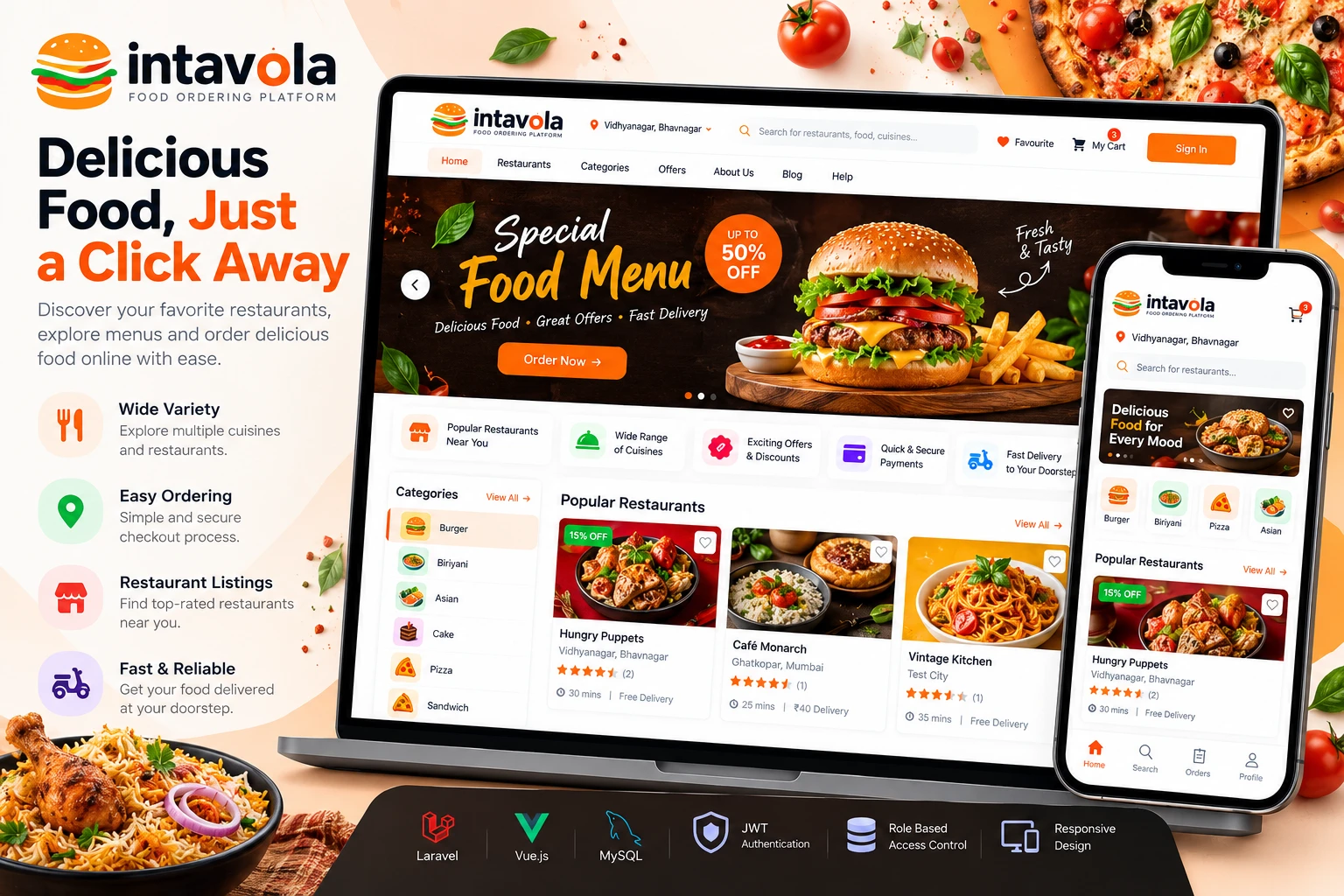
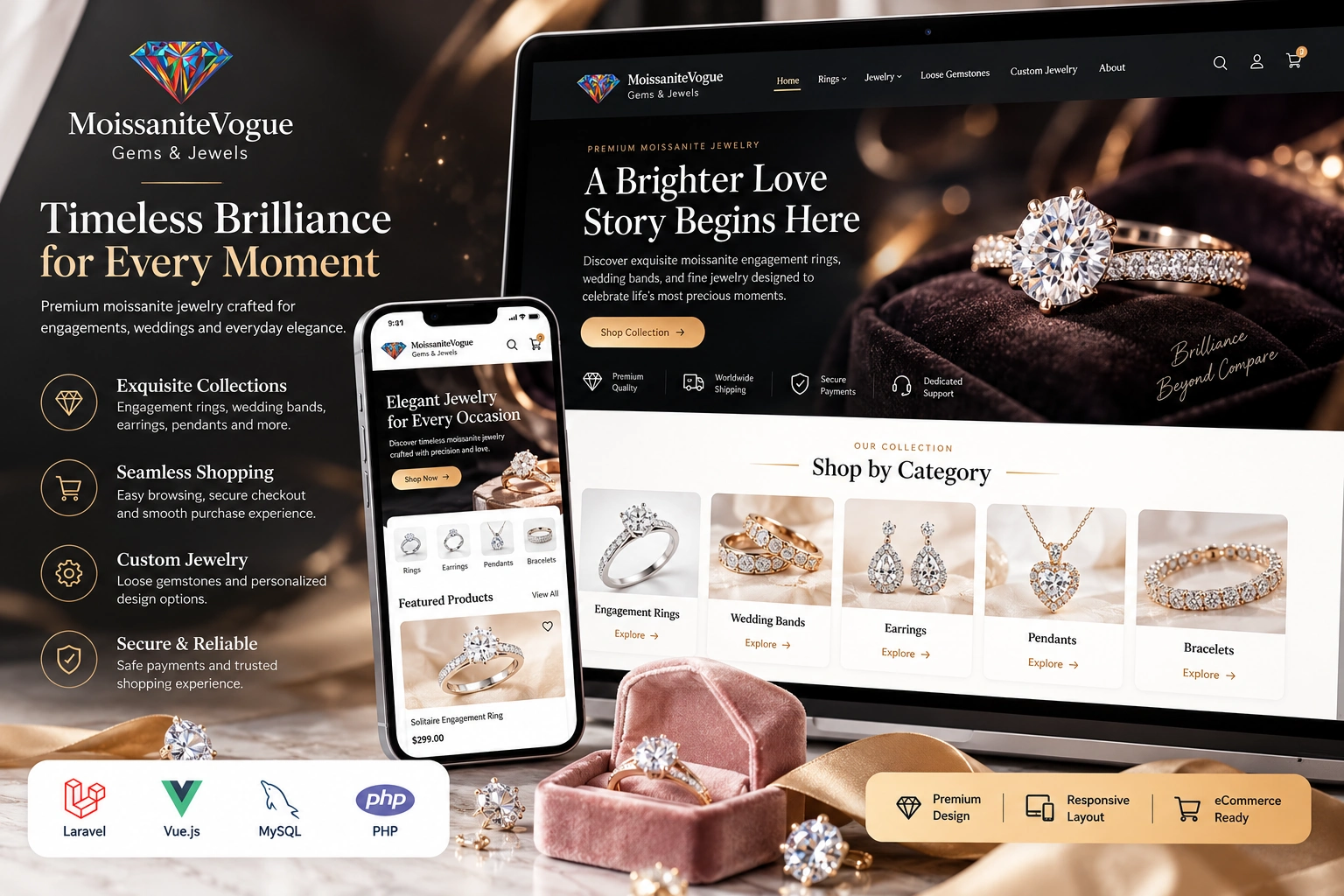
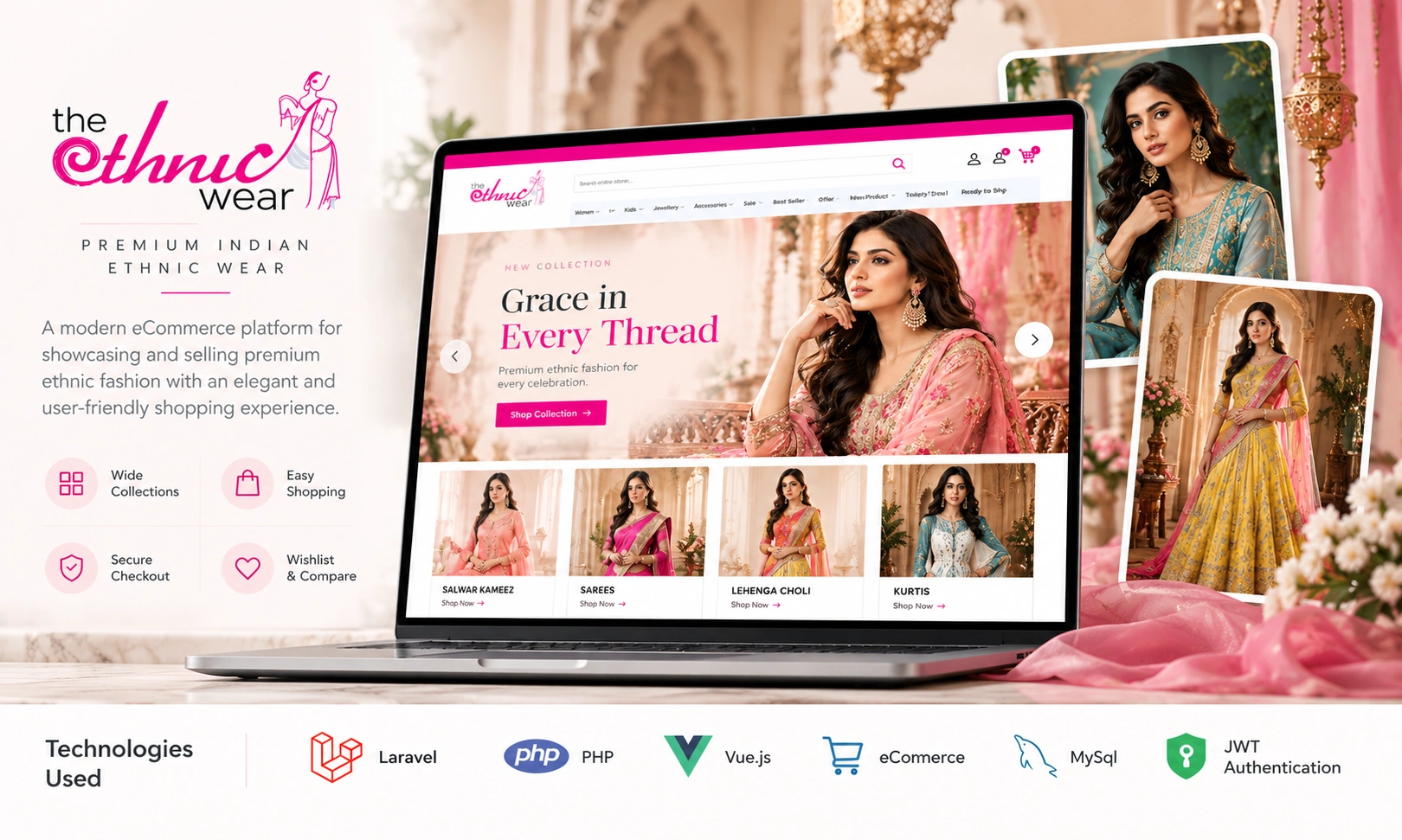
A premium D2C jewelry store and a multi-vendor marketplace: the two ends of what we build, from product presentation to seller and order management.

  • Ring collections
  • Product detail pages
  • Secure checkout
  • Responsive storefront
Jewelry · D2C Store

Moissanite Vogue

A premium jewelry store for moissanite engagement rings, wedding bands and custom-designed collections, with detailed product presentation and secure online purchasing.

View case study : Moissanite Vogue
  • Seller listings
  • Real-time messaging
  • Order tracking
  • Payment processing
Marketplace · Multi-vendor Web

Chat Marketplace

A multi-vendor marketplace where buyers and sellers message each other in real time, manage listings, process payments and track orders from one web application.

View case study : Chat Marketplace
Start Your Project

Planning a new store, a B2B portal or a move to a new platform?

Share what you sell, how orders are fulfilled today and which systems the store must connect to. We will come back with a recommended platform, the integrations involved and a delivery plan you can review with your team.

FAQ

Ecommerce development questions buyers ask us.

Should my store run on Shopify, WooCommerce or a custom platform? +

Shopify suits most single-brand stores that want hosted infrastructure and a fast launch. WooCommerce fits businesses already invested in WordPress content. A custom Laravel build makes sense for marketplaces, complex B2B rules or order workflows that would otherwise need many workarounds, and we explain the trade-off for your case before any build starts.

Can you migrate my store without losing search rankings? +

Yes. We move products, customers and order history, keep or map product and category URLs, and set up 301 redirects from every old URL. After launch we check crawl errors and indexing in Google Search Console so problems are fixed quickly.

Which payment and shipping providers can you integrate? +

We work with the gateways and carriers available in your selling markets, including major options such as Stripe and PayPal, through their official APIs or platform apps. Payment webhooks are handled so an order is only confirmed when the payment is, and shipping rules are tested against real addresses before launch.

Can you build B2B ordering features? +

Yes. Typical B2B work includes trade account registration with approval, catalogs visible only to certain accounts, quote requests, purchase approval steps, bulk ordering and one-click reorders. These can run alongside a regular retail store or as a separate portal.

Can the store connect to our ERP or inventory system? +

Yes, provided the system offers an API or a reliable export. We sync products, stock and orders through scheduled jobs or webhooks, with logging and retries so that a failed sync is reported rather than silently missed.

Who maintains the store after launch? +

You can manage products, orders and content yourself through the admin panel, and we run a handover session for your team. If you want ongoing help, we can take on platform and plugin updates, fixes and new features, or you can add a dedicated developer through our hire ecommerce developer option.

Case Studies

Related Projects